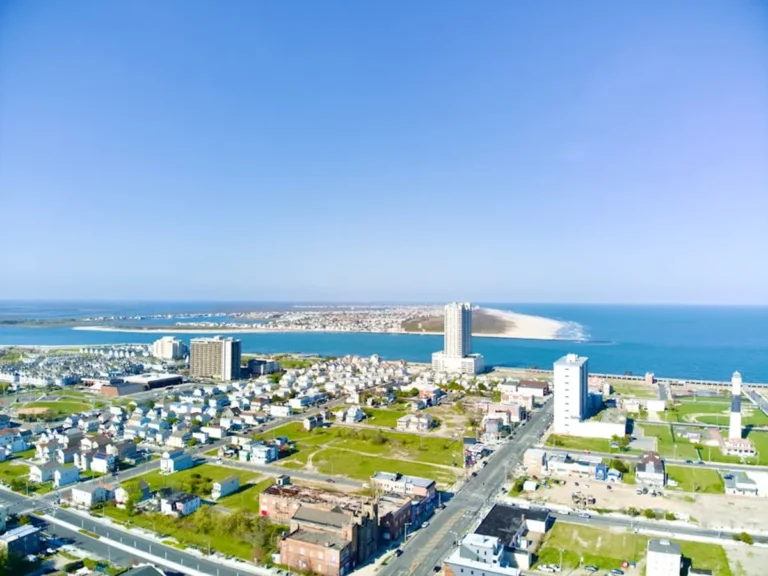
Planning a first trip to Atlantic City involves navigating a unique blend of entertainment, dining, and coastal attractions. For visitors accustomed to other resort destinations, Atlantic City presents a distinct environment, requiring specific considerations to optimize the experience. Understanding the city's layout, transportation options, and diverse offerings beyond the casino floor is crucial for a productive and enjoyable visit, ensuring expectations align with the realities of this East Coast destination.
Essential Planning for Your First Visit
Best Times to Visit
The optimal time to visit Atlantic City largely depends on desired activities and tolerance for crowds. Summer, from June to August, offers peak beach weather and a full calendar of outdoor events, but also brings the highest hotel rates and largest crowds. Spring (April-May) and Fall (September-October) provide a balance: milder weather, fewer tourists, and more competitive pricing, making them ideal for exploring the Boardwalk or enjoying outdoor dining without the intense heat or crowds. Winter months, while offering the lowest prices, see reduced outdoor activity and some seasonal closures, focusing the experience primarily on indoor casino and entertainment venues.
Transportation Logistics
Atlantic City is accessible by car, bus, train, and air. Driving is common, with ample parking available at most casinos and hotels, though daily rates can vary significantly, often ranging from $10 to $30. The Atlantic City Expressway provides direct access. Bus services from major East Coast cities are frequent and often include casino incentives. NJ Transit offers train service from Philadelphia, connecting to the Atlantic City Rail Terminal. For air travel, Atlantic City International Airport (ACY) serves a limited number of domestic routes, while Philadelphia International Airport (PHL) offers broader national and international connections, requiring an additional ground transfer of approximately 60-75 minutes.
Accommodation Options
Atlantic City's lodging landscape is dominated by casino hotels, which offer integrated entertainment, dining, and often spa facilities. These properties typically feature a range of room types, from standard accommodations to luxury suites. Non-casino hotels and smaller guesthouses are also available, particularly further from the Boardwalk, offering potentially lower rates but fewer amenities on-site. When booking, consider proximity to desired attractions, resort fees (which are common and can add $20-$40 per night), and whether the property offers specific perks like free parking or complimentary breakfast. Booking directly through hotel websites or established travel platforms is advisable to compare rates and understand cancellation policies.
Navigating the City's Districts and Transport
Boardwalk vs. Marina District
Atlantic City is primarily divided into two main areas: the iconic Boardwalk and the more secluded Marina District. The Boardwalk is the city's historic core, home to several major casinos, the beach, shopping, and entertainment piers. It is walkable, vibrant, and offers direct access to the ocean. The Marina District, located a few miles inland, houses newer, larger casino resorts with extensive entertainment complexes, often featuring golf courses and upscale dining. These districts offer distinct atmospheres, and understanding their differences helps tailor your experience. Transportation between them is necessary if you plan to visit both.
Getting Around
Efficient internal transportation is key for first-time visitors. The Jitney, a privately operated minibus system, provides an affordable and frequent way to travel along the Boardwalk and between the Boardwalk and Marina District. Fares are typically cash-only and range from $2.25 to $2.50 per ride. Taxis and ride-sharing services (Uber, Lyft) are readily available throughout the city. Walking is feasible along the Boardwalk, but distances between major casinos can be significant. For example, walking from Resorts Casino Hotel to Bally's Atlantic City is approximately 1 mile, while walking the entire Boardwalk from north to south can exceed 4 miles. Consider a mix of walking and public transport to conserve energy and time.
Pro Tip: During peak season or major event weekends, traffic congestion, especially around the Marina District, can significantly extend travel times for taxis and ride-shares. Factor this into your schedule if you have reservations or show times. The Jitney often has dedicated lanes or routes that can bypass some of the worst congestion.
Beyond the Casino Floor: Activities and Entertainment
Dining Experiences
Atlantic City's culinary scene extends from high-end steakhouses and celebrity chef restaurants within the casino resorts to casual Boardwalk eateries and local seafood spots. Reservations are highly recommended for fine dining, particularly on weekends. Many casinos offer buffets and food courts for more casual options. Exploring off-Boardwalk areas can reveal diverse ethnic cuisines at more accessible price points. Consider the proximity of dining establishments to your accommodation or planned activities to minimize travel.
Shopping Avenues
Shopping opportunities range from luxury boutiques inside casino properties to the Tanger Outlets Atlantic City, located just a few blocks from the Boardwalk. The outlets feature over 100 brand-name stores offering discounted merchandise. Smaller shops along the Boardwalk sell souvenirs, beachwear, and local novelties. For a more unique experience, consider exploring the independent shops in the nearby historic Gardner's Basin area.
Live Entertainment and Nightlife
The city hosts a consistent schedule of concerts, comedy shows, and theatrical performances, primarily within the casino resort venues. Check schedules in advance and book tickets, especially for popular acts. Nightlife options include upscale lounges, lively dance clubs, and more relaxed bars, again predominantly within the casino complexes. Many venues have dress codes, particularly for evening hours, so plan attire accordingly.
Outdoor and Beach Activities
Atlantic City's free public beach is a primary draw during warmer months, offering opportunities for swimming, sunbathing, and surfing. Lifeguards are on duty during designated hours. Beyond the beach, options include:
- Fishing and boating charters departing from Gardner's Basin.
- The Absecon Lighthouse, New Jersey's tallest lighthouse, offering panoramic views after a climb.
- Mini-golf courses along the Boardwalk.
- The Atlantic City Aquarium at Gardner's Basin.
- Various boardwalk amusement rides and attractions.
These activities provide a significant counterpoint to the indoor casino environment, offering diverse entertainment for all ages.
Ensuring a Smooth First Trip
For a first-time visitor, strategic planning enhances the experience. Prioritize booking accommodation and any must-see shows or dining reservations well in advance, especially during peak season. Familiarize yourself with the city's layout and transportation options to minimize time spent navigating. Set a realistic budget for gaming, dining, and activities to avoid overspending. Finally, approach the trip with an open mind to explore both the iconic casino-centric offerings and the broader range of coastal attractions available.
Frequently Asked Questions
Is Atlantic City safe for first-time visitors?
Atlantic City, like any urban tourist destination, requires visitors to be aware of their surroundings. The main tourist areas, including the Boardwalk and casino properties, are generally well-patrolled and safe. It is advisable to avoid walking alone in less populated areas, especially at night, and to use reputable transportation services. Exercise standard precautions such as securing valuables and not leaving drinks unattended.
Do I need a car to get around Atlantic City?
While having a car offers flexibility for exploring areas outside the main tourist zones, it is not strictly necessary for navigating Atlantic City's core attractions. The Jitney system, taxis, and ride-sharing services provide convenient transportation between the Boardwalk, Marina District, and other key points. Many visitors find that walking along the Boardwalk or using the Jitney suffices for their needs.
What are the best non-gambling activities in Atlantic City?
Beyond gambling, Atlantic City offers a range of activities. Popular options include relaxing on the free public beaches, exploring the shops at Tanger Outlets, visiting the Absecon Lighthouse for panoramic views, enjoying live concerts and shows, dining at diverse restaurants, or exploring the marine life at the Atlantic City Aquarium. The city's entertainment landscape caters to varied interests beyond the casino floor.
What is the typical tipping etiquette in Atlantic City?
Tipping etiquette in Atlantic City is similar to other major US service-oriented destinations. For restaurant servers, 18-20% of the bill is standard. Bartenders typically receive $1-2 per drink or 15-20% of the tab. Casino dealers are often tipped by players, usually a percentage of winnings or a flat amount. Hotel housekeeping staff typically receive $2-5 per day, left in the room. Taxi and ride-share drivers expect 15-20% of the fare.