Understanding the enduring rivalry between Liverpool and Manchester United is essential for anyone navigating the landscape of global football, whether from a fan perspective, a commercial interest, or a historical analysis. This isn't merely a contest between two clubs; it represents a deep-seated cultural, industrial, and sporting clash that consistently drives viewership, shapes brand narratives, and dictates significant market activity within the sports industry. For marketers, broadcasters, or even casual observers, grasping the nuances of this fixture provides critical context for engagement and strategic planning.
The Genesis of a Fierce Rivalry
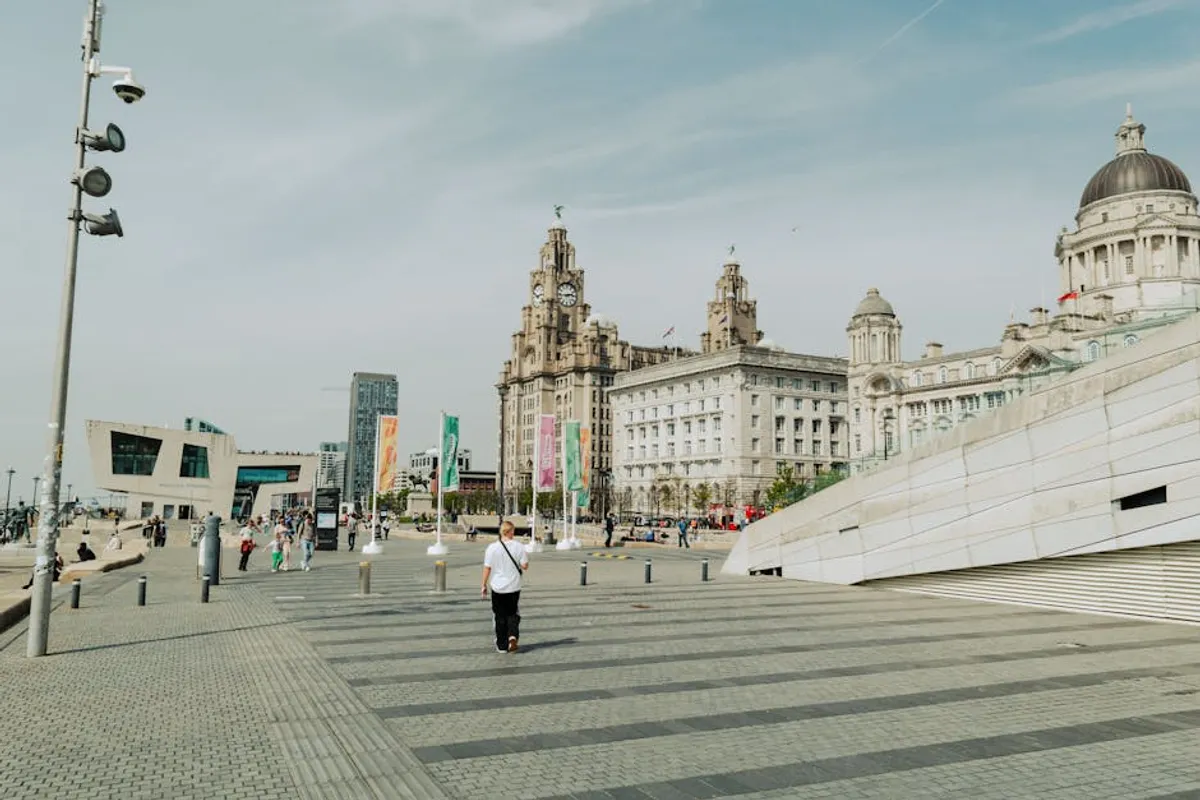
The animosity between Liverpool and Manchester United is rooted in the industrial competition between their respective cities during the 19th century. Manchester, an inland industrial powerhouse, relied heavily on Liverpool's port for global trade. The construction of the Manchester Ship Canal in 1894, allowing direct shipping to Manchester, bypassed Liverpool's port and intensified economic rivalry. This historical tension seamlessly transitioned into football, as both cities produced dominant clubs vying for national supremacy.
The football rivalry solidified in the post-war era, escalating through the 1960s with iconic managers like Bill Shankly and Matt Busby. Their clashes on the pitch mirrored the broader civic competition, laying the groundwork for what would become England's most intense footballing feud. Each victory or defeat became a point of civic pride, extending beyond mere league points to a declaration of regional superiority.
Statistical Supremacy: A Trophy Showcase
Both clubs boast unparalleled domestic and international success, creating a direct competition for historical bragging rights. A direct comparison of their major honors illustrates the scale of their achievements:
- League Titles: Manchester United holds 20, Liverpool 19. This narrow margin fuels the intensity of every league encounter.
- FA Cups: Manchester United has 12, Liverpool 8.
- League Cups: Liverpool leads with 10, Manchester United has 6.
- European Cups/Champions Leagues: Liverpool has secured 6, Manchester United 3. This category is a significant point of pride for Liverpool supporters.
- UEFA Europa League/UEFA Cup: Liverpool has 3, Manchester United 1.
The constant back-and-forth in trophy accumulation means that each era of dominance by one club is often met with a fervent desire from the other to reclaim the top spot. This perpetual chase for statistical supremacy underpins the fixture's significance.
Head-to-Head Records and Key Matches
Across all competitions, the two clubs have faced each other over 200 times. Manchester United generally holds a slight edge in overall wins, but specific periods have seen one club dominate the other. Memorable matches, such as the 1977 FA Cup final, the 1996 FA Cup final, or recent high-scoring league encounters, are etched into the folklore of both clubs, serving as benchmarks for fan loyalty and historical narratives. These games are not just about the result; they become part of the clubs' identities.
Beyond the Pitch: Commercial and Cultural Influence
The Liverpool vs. Manchester United rivalry extends far beyond the 90 minutes of a football match, generating substantial commercial and cultural ripple effects globally.
Global Fan Bases and Reach: Both clubs possess immense international followings, with millions of supporters across continents. This global reach translates into significant market segments for merchandise, media subscriptions, and sponsorship opportunities. The rivalry itself is a key driver for engaging these fan bases, often pitting family members or friends from different regions against each other.
Merchandise and Sponsorship Value: Matches between these two clubs consistently rank among the most-watched sporting events worldwide. This visibility makes them highly attractive to sponsors seeking global exposure. The demand for official club merchandise, particularly around match days, sees notable spikes, reflecting the deep emotional investment of supporters. Brands associating with either club, or even the fixture itself, leverage this intense engagement for commercial gain.
Media Rights and Viewership: Broadcasters pay premium prices for the rights to air these fixtures. The guaranteed high viewership translates into significant advertising revenue and subscriber acquisition for media companies. The narrative surrounding the game—from pre-match build-up to post-match analysis—dominates sports media cycles for days, generating extensive content and discussion across various platforms.
Pro Tip: For commercial entities, understanding the cyclical nature of dominance and rivalry narratives is key. Periods of intense competition often coincide with peak fan engagement, translating into higher merchandise sales and media consumption. Aligning marketing campaigns with these peaks can significantly amplify reach and impact.
Modern Tactical Battlegrounds
In contemporary football, fixtures between Liverpool and Manchester United are often tactical chess matches between highly skilled managers. The approaches vary significantly depending on the managers in charge, but common themes emerge:
- High Pressing vs. Counter-Attack: Liverpool under recent management has often favored an aggressive high-pressing system, aiming to win the ball back high up the pitch and transition quickly. Manchester United, at times, has adopted a more counter-attacking approach, absorbing pressure and exploiting spaces behind Liverpool's advanced defensive line.
- Midfield Control: The battle for midfield dominance is crucial. Controlling the tempo, disrupting the opponent's rhythm, and supplying the forward lines are key objectives that often dictate the flow of the game.
- Key Player Matchups: Individual battles, such as a star striker against a top defender, or creative midfielders facing off, frequently determine the outcome. These matchups are heavily scrutinized by analysts and fans alike, influencing betting markets and match narratives.
The tactical setup often reflects the current strengths and weaknesses of each squad, making each encounter a unique study in modern football strategy.
Understanding the Matchday Stakes
Every Liverpool vs. Manchester United game carries immense weight, regardless of league position or trophy context.
League Position Implications: When both teams are challenging for the title or European qualification, the points at stake are critical. A victory can provide a significant psychological boost and a tangible advantage in the league table, while a defeat can derail momentum.
Bragging Rights: Beyond points, the rivalry is fundamentally about bragging rights. Fans, players, and even former legends invest heavily in the outcome, with victory providing ammunition for social media, workplace discussions, and long-term taunts. This emotional investment is a powerful, non-monetary driver of the rivalry's intensity.
Psychological Advantage: Winning a match against your fiercest rival can instill confidence and belief within a squad, potentially impacting subsequent performances. Conversely, a loss can create self-doubt and pressure, especially if it's a heavy defeat. This psychological aspect is often underestimated but plays a significant role in the overall season trajectory for both clubs.
Engaging with the Rivalry: Key Considerations
For those looking to engage with or understand the commercial and cultural aspects of the Liverpool vs. Manchester United rivalry, several points are crucial:
Historical Awareness: A foundational understanding of the historical and industrial roots of the rivalry enriches any analysis or engagement. It explains the depth of emotion involved.
Statistical Context: Keeping track of the ongoing statistical battle for major honors provides concrete data points for comparing the clubs' legacies and current standing.
Global Media Consumption: Recognize that the rivalry is a global spectacle. Its impact on media rights, advertising, and fan engagement extends far beyond the UK, influencing sports markets worldwide.
Fan Demographics: Both clubs have distinct fan demographics and geographical strongholds. Understanding these can inform targeted marketing or content strategies.
The Liverpool vs. Manchester United fixture is more than just a football match; it is a recurring cultural event with profound historical, economic, and emotional implications that resonate across the global sporting landscape.
Frequently Asked Questions
What is the primary reason for the Liverpool vs. Manchester United rivalry?
The rivalry stems from 19th-century industrial competition between the cities of Liverpool and Manchester, which later transitioned into a fierce sporting contest between their respective football clubs for national and international supremacy.
Which club has won more major trophies overall?
While both clubs have dominated different eras, Manchester United generally holds a slight edge in overall major trophies, particularly domestic league titles, though Liverpool leads in European Cups.
How does the rivalry impact commercial aspects of football?
The rivalry drives significant commercial activity, including increased global viewership for matches, heightened demand for club merchandise, and premium media rights values, making it a lucrative fixture for broadcasters and sponsors.
Do individual match results significantly affect the league season?
Yes, results in this fixture often carry significant weight beyond the three points, influencing league positions, team morale, and psychological momentum for the remainder of the season.