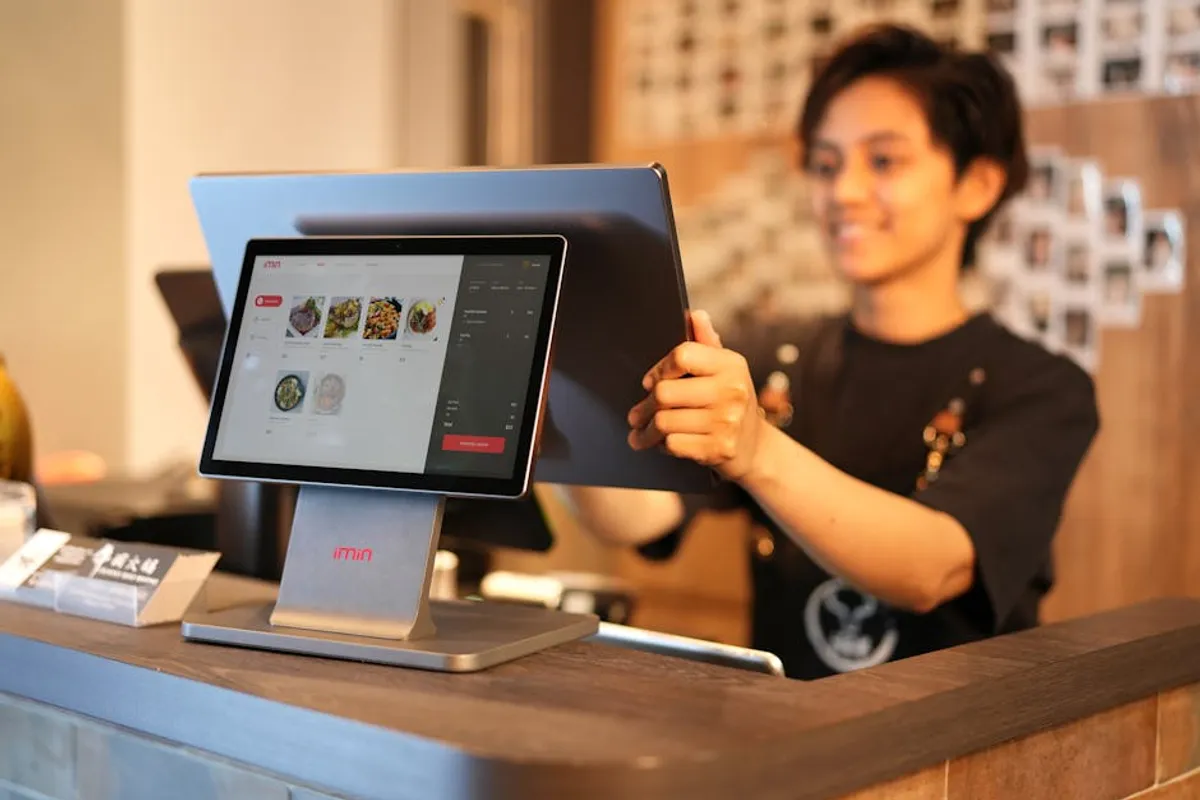
For individuals whose travel itineraries revolve around culinary discovery, selecting a restaurant transcends mere sustenance; it becomes an integral part of the experience. The distinction between a good meal and a truly memorable one often lies in the meticulous attention to ingredient sourcing, the innovative application of technique, and the coherent narrative presented through each dish. This guide focuses on establishments that consistently deliver on these fronts, offering more than just food but an immersive dining event designed to satisfy the discerning palate.
Elements of an Exceptional Dining Experience
Identifying a truly outstanding restaurant requires evaluating several key components beyond just the menu price. Food lovers prioritize establishments where the kitchen demonstrates a clear culinary philosophy, often rooted in specific regional traditions, innovative modern techniques, or a commitment to unique ingredients. Service quality is paramount; knowledgeable staff who can articulate the provenance of ingredients and the chef's intent elevate the meal. The ambiance must complement the cuisine without overshadowing it, contributing to the overall sensory experience. Finally, the wine or beverage program should be thoughtfully curated, offering pairings that enhance the dishes and reflect the restaurant's identity. These factors collectively contribute to a dining experience that resonates long after the last course.
1. The Gastronome's Table
The Gastronome's Table specializes in modern European cuisine, presented exclusively through multi-course tasting menus. The kitchen operates with a philosophy of minimal intervention, allowing peak-season ingredients to dictate the menu's evolution. Expect sophisticated preparations that highlight natural flavors, often incorporating foraging elements and advanced culinary techniques like sous-vide and spherification without ostentation. The dining room offers an intimate, hushed atmosphere, conducive to focused appreciation of each plate.
Best For: Celebratory occasions, dedicated food enthusiasts seeking a structured and refined culinary journey, or those who appreciate artistic plating and ingredient-driven narratives.
Pros:
- Exceptional ingredient quality, often featuring rare or hyper-seasonal produce.
- Impeccable service with detailed explanations of each dish and its components.
- Thoughtfully curated wine pairings that genuinely enhance the tasting menu.
- Consistent execution of complex dishes, demonstrating high technical proficiency.
Cons:
- High price point, reflecting the quality of ingredients and labor-intensive preparations.
- Limited menu flexibility due to the tasting menu format; not ideal for picky eaters or those with extensive dietary restrictions.
- Reservations are often required weeks or months in advance.
Verdict: This establishment delivers a highly curated, artful dining experience best suited for patrons who view dining as a performance and are willing to invest in a multi-sensory exploration of modern European gastronomy.
2. Umami House
Umami House reinterprets traditional Japanese izakaya fare with an emphasis on amplifying the fifth taste. While offering classic sake and small plates, the kitchen elevates these concepts through premium ingredients and innovative preparations. Expect dishes like agedashi tofu with smoked dashi, wagyu tataki with yuzu kosho vinaigrette, and inventive sushi rolls that balance texture and flavor. The atmosphere is vibrant yet refined, designed for communal sharing and discovery.
Best For: Diners who appreciate Japanese cuisine beyond sushi, groups looking for an interactive and varied dining experience, or those keen on exploring complex flavor profiles in a relaxed setting.
Pros:
- Diverse menu of small plates encourages extensive tasting and sharing.
- Emphasis on high-quality, often imported, Japanese ingredients.
- Extensive sake and Japanese whiskey list with knowledgeable recommendations.
- Lively ambiance without being overly loud, fostering social interaction.
Cons:
- Can become expensive quickly when ordering multiple small plates.
- Portion sizes are generally small, reflecting the izakaya style.
- Popularity can lead to wait times, particularly on weekends.
Verdict: Umami House provides an accessible yet sophisticated entry into elevated Japanese small-plate dining, perfect for adventurous eaters who enjoy a bustling, convivial atmosphere and nuanced flavors.
3. The Spice Route Kitchen
The Spice Route Kitchen embarks on a culinary journey across Asia, focusing on regional dishes characterized by intricate spice blends and aromatic profiles. The menu draws inspiration from Indian, Thai, Vietnamese, and Malaysian traditions, but each dish is presented with a contemporary twist and a commitment to fresh, locally sourced produce where possible. Signature items include slow-cooked lamb rendang, fragrant green curry with house-ground spices, and tandoor-fired skewers.
Best For: Adventurous eaters seeking bold, complex flavors, diners interested in a pan-Asian culinary exploration, or groups looking for a vibrant dining experience with shareable dishes.
Pros:
- Authentic and complex spice blends, often prepared in-house.
- Diverse menu offering a wide range of Asian culinary traditions.
- Vibrant and visually appealing presentation of dishes.
- Accommodates various spice tolerance levels, from mild to intensely hot.
Cons:
- Some dishes may be unfamiliar to less adventurous diners.
- The popularity can result in a somewhat noisy dining environment.
- Parking can be challenging in its urban location.
Verdict: This restaurant is a destination for those who crave aromatic intensity and culinary diversity, offering a well-executed exploration of Asian flavors that avoids generic fusion clichés.
4. Terra Bistro
Terra Bistro champions a farm-to-table philosophy, with its menu entirely dictated by seasonal availability and local partnerships. The cuisine is broadly American, but with a refined, contemporary approach that emphasizes ingredient integrity. Dishes are often deceptively simple, allowing the quality of the produce, meats, and dairy to shine. The atmosphere is rustic chic, with an open kitchen providing a glimpse into the culinary process.
Best For: Diners prioritizing sustainable and locally sourced ingredients, those who appreciate fresh, seasonal flavors, or individuals seeking a sophisticated yet unpretentious meal.
Pros:
- Exceptional freshness and quality of ingredients, directly from local farms.
- Menu changes frequently, offering novelty and reflecting the seasons.
- Support for local agriculture and sustainable practices.
- Knowledgeable staff who can detail ingredient origins.
Cons:
- Menu can be limited by seasonal availability, potentially lacking certain year-round staples.
- Prices can be higher due to the cost of sourcing premium local ingredients.
- Specific dish availability is not guaranteed from one visit to the next.
Verdict: Terra Bistro excels at delivering a genuine farm-to-table experience, making it an ideal choice for diners who value transparency in sourcing and a menu that evolves with nature's bounty.
5. The Ember & Vine
The Ember & Vine is a wood-fired grill house that elevates steakhouse traditions with global influences and a focus on dry-aged meats. Utilizing a custom-built wood-fired oven and grill, the kitchen imparts distinct smoky notes to everything from prime cuts of beef to heritage pork and seasonal vegetables. The wine list is extensive, with a particular strength in robust reds designed to complement the rich, smoky flavors of the food. The ambiance is sophisticated and masculine, with dark wood accents and warm lighting.
Best For: Meat enthusiasts, connoisseurs of wood-fired cooking, or those seeking a premium dining experience with a focus on expertly prepared proteins and a robust wine selection.
Pros:
- Superior quality dry-aged meats, cooked to precise specifications.
- Distinctive smoky flavor profile imparted by the wood-fired cooking.
- Extensive and well-curated wine list, particularly strong in reds.
- Attentive service, often with tableside carving presentations.
Cons:
- High price point, especially for prime cuts and premium wines.
- Menu is heavily meat-centric, with fewer options for vegetarians or pescatarians.
- Can be a very rich meal, not suitable for lighter dining preferences.
Verdict: For diners who prioritize perfectly cooked, high-quality meats with a unique smoky character and a comprehensive wine program, The Ember & Vine offers a definitive and indulgent experience.
6. Ocean's Bounty
Ocean's Bounty dedicates its menu to sustainable seafood, sourcing its catch from responsible fisheries and local purveyors committed to ethical practices. The cuisine is contemporary coastal, featuring preparations that highlight the natural freshness of the fish and shellfish. Expect delicate crudos, pan-seared scallops with seasonal accompaniments, and a signature bouillabaisse. The bright, airy dining room evokes a seaside feel, complementing the marine-focused menu.
Best For: Seafood aficionados, diners committed to sustainable eating, or those seeking fresh, expertly prepared fish and shellfish in an elegant setting.
Pros:
- Commitment to sustainable and ethically sourced seafood.
- Exceptional freshness and quality of fish and shellfish.
- Menu changes based on daily catch availability, ensuring peak flavor.
- Light and refined preparations that allow the seafood to shine.
Cons:
- Can be a higher price point due to the cost of premium, sustainable seafood.
- Limited options for non-seafood eaters, though usually one or two meat dishes are available.
- Specific fish availability is subject to daily market conditions.
Verdict: Ocean's Bounty is a prime destination for those who value both the exquisite taste of fresh seafood and the ethical considerations of its sourcing, offering a refined aquatic culinary journey.
7. Verde & Grain
Verde & Grain redefines plant-based dining, moving beyond traditional vegetarian fare to create innovative, flavor-forward vegan cuisine. The kitchen employs creative techniques to transform vegetables, grains, and legumes into dishes that satisfy and surprise. Expect inventive preparations like mushroom "scallops" with saffron risotto, jackfruit carnitas tacos, and deconstructed vegetable terrines. The atmosphere is modern and minimalist, focusing attention on the vibrant plates.
Best For: Vegans and vegetarians seeking sophisticated, imaginative dining, or omnivores curious to explore the potential of plant-based cuisine without compromise on flavor or presentation.
Pros:
- Highly creative and innovative plant-based menu.
- Utilizes a wide array of fresh, often organic, vegetables and grains.
- Dishes are thoughtfully constructed to provide satisfying textures and umami.
- Appeals to a broad audience, including those not strictly vegan.
Cons:
- Some dishes may involve unfamiliar ingredients or preparations for traditional palates.
- Portion sizes can sometimes lean towards fine dining rather than hearty.
- Can be perceived as expensive for vegetable-centric meals.
Verdict: Verde & Grain stands out as a leader in elevated plant-based cuisine, demonstrating that vegan dining can be both deeply flavorful and artistically presented, appealing to a wide spectrum of food lovers.
8. Pasticcio Trattoria
Pasticcio Trattoria offers an authentic journey through regional Italian cuisine, with a particular emphasis on house-made pastas and slow-cooked sauces. The menu changes seasonally, reflecting the diverse culinary traditions from Tuscany to Sicily. Ingredients are carefully selected, often imported directly from Italy, to ensure genuine flavor profiles. The atmosphere is warm, inviting, and bustling, reminiscent of a traditional Italian family-run eatery.
Best For: Aficionados of authentic Italian cuisine, diners seeking comforting yet refined pasta dishes, or groups looking for a convivial meal with a focus on tradition and quality ingredients.
Pros:
- Exceptional house-made pastas with perfect texture and flavor.
- Authentic regional Italian recipes, often passed down through generations.
- High-quality imported Italian ingredients, contributing to genuine flavors.
- Warm, inviting, and lively atmosphere suitable for families and friends.
Cons:
- Can be noisy during peak hours due to the popular, bustling environment.
- Limited options for gluten-free or dairy-free diners, though some accommodations may be possible.
- Reservations are highly recommended, especially on weekends.
Verdict: Pasticcio Trattoria delivers a truly authentic and heartwarming Italian dining experience, making it an essential visit for those who cherish traditional recipes and the comforting embrace of Italian hospitality.
9. El Fuego Cantina
El Fuego Cantina reimagines Mexican street food and regional specialties with modern culinary techniques and a focus on premium ingredients. The menu moves beyond typical Tex-Mex, offering elevated tacos with unique fillings like cochinita pibil or duck confit, complex mole dishes, and innovative ceviches. The bar program is equally ambitious, featuring an extensive selection of artisanal tequilas and mezcals, alongside creative cocktails. The decor is vibrant and contemporary, with a lively energy.
Best For: Diners seeking sophisticated Mexican cuisine, those interested in exploring regional Mexican flavors, or groups looking for a lively atmosphere with excellent cocktails.
Pros:
- Innovative and authentic regional Mexican dishes, moving beyond common interpretations.
- High-quality, often house-made, ingredients for tortillas, salsas, and moles.
- Extensive and well-curated selection of tequilas and mezcals.
- Vibrant, energetic atmosphere suitable for a fun night out.
Cons:
- Can be quite loud, making conversation challenging at times.
- Popularity often leads to wait times for tables and bar service.
- Some dishes may be spicier than expected for uninitiated palates.
Verdict: El Fuego Cantina offers a dynamic and elevated take on Mexican cuisine, making it an excellent choice for those who appreciate bold flavors, creative cocktails, and a spirited dining environment.
10. The Baker's Daughter
The Baker's Daughter functions as both a refined French patisserie and a charming bistro, serving classic French dishes with meticulous attention to detail. During the day, it offers exquisite pastries, artisanal breads, and light lunch fare. In the evening, the menu expands to include traditional bistro items like steak frites, coq au vin, and seasonal fish preparations, all executed with precision and respect for French culinary heritage. The ambiance is elegant yet cozy, reminiscent of a Parisian cafe.
Best For: Lovers of classic French cuisine, those seeking an authentic patisserie experience, or individuals desiring a sophisticated yet comfortable meal in a European-inspired setting.
Pros:
- Exceptional quality of pastries, breads, and classic French desserts.
- Authentic execution of traditional French bistro dishes.
- Charming and elegant atmosphere, suitable for both casual and special occasions.
- Attentive and professional service.
Cons:
- Menu can be perceived as less adventurous for those seeking highly innovative cuisine.
- Portions can be generous, potentially overwhelming for lighter appetites.
- Can be difficult to secure a table during peak brunch or dinner hours.
Verdict: The Baker's Daughter provides a reliable and delightful immersion into French culinary traditions, making it a perfect spot for those who appreciate time-honored recipes and impeccable baking.
11. The Gilded Spoon
The Gilded Spoon is a bastion of experimental fine dining, where culinary boundaries are pushed through avant-garde techniques and unexpected flavor combinations. The restaurant offers an elaborate tasting menu, often themed, that incorporates molecular gastronomy, unique ingredient pairings, and artistic presentations. Dining here is an immersive, multi-sensory experience designed to challenge perceptions and provoke conversation. The decor is minimalist and futuristic, complementing the innovative cuisine.
Best For: Highly adventurous diners, those seeking a truly unique and experimental culinary experience, or individuals interested in the cutting edge of gastronomic innovation.
Pros:
- Groundbreaking and highly creative culinary concepts.
- Exceptional artistic presentation of every dish.
- Unique and often surprising flavor combinations.
- An immersive dining experience that transcends a typical meal.
Cons:
- Extremely high price point, reflecting the complexity and innovation.
- Not suitable for conservative palates or those with strict dietary preferences.
- The experimental nature means some dishes may not appeal to everyone.
Verdict: The Gilded Spoon is a destination for the gastronomically curious, offering a memorable journey into the future of food, best reserved for those who embrace culinary risk and intellectual engagement.
12. Root & Barrel
Root & Barrel elevates Southern comfort food with a focus on heritage ingredients, artisanal preparation, and a sophisticated bar program centered around barrel-aged spirits. The menu features elevated classics like fried chicken with house-made hot sauce, shrimp and grits with smoked pork belly, and seasonal vegetable preparations that honor Southern culinary roots. The atmosphere is warm, inviting, and slightly rustic, with a focus on hospitality and well-crafted cocktails.
Best For: Diners seeking refined Southern comfort food, those who appreciate artisanal cocktails, or groups looking for a hearty yet sophisticated meal in a welcoming environment.
Pros:
- Exceptional quality and refinement of classic Southern dishes.
- Commitment to heritage ingredients and traditional cooking methods.
- Outstanding bar program with a focus on barrel-aged spirits and craft cocktails.
- Warm, hospitable, and comfortable dining atmosphere.
Cons:
- Dishes can be rich and hearty, potentially heavy for some palates.
- Limited options for very light or health-conscious dining.
- Popularity can lead to busy periods and occasional wait times.
Verdict: Root & Barrel successfully bridges the gap between traditional Southern comfort and contemporary culinary sophistication, offering a deeply satisfying and expertly crafted dining experience for lovers of soulful, flavorful food and fine spirits.
Selecting the Ideal Restaurant for Your Palate
Choosing the right restaurant for a food lover involves more than just reading a menu; it requires aligning the establishment's culinary philosophy with your personal preferences and occasion. Consider the specific type of cuisine you're craving and whether the restaurant executes it with authenticity or innovative flair. Evaluate the ingredient sourcing and seasonality, as these often correlate directly with flavor quality. The service style and ambiance should complement your desired dining experience, whether that's an intimate, quiet meal or a lively, communal gathering. Finally, assess the beverage program—a well-curated wine list or creative cocktail menu significantly enhances the overall enjoyment. Prioritizing these elements ensures that your chosen destination delivers a truly exceptional and memorable culinary event.
Frequently Asked Questions
What defines a "food lover's" restaurant?
A food lover's restaurant typically distinguishes itself through a commitment to high-quality, often unique ingredients, innovative or meticulously executed culinary techniques, a clear culinary philosophy, and an immersive dining experience that prioritizes flavor, presentation, and service.
How important is ambiance for a food lover's experience?
Ambiance is crucial. While the food remains paramount, the setting, lighting, sound level, and overall atmosphere significantly contribute to the sensory experience. A well-designed ambiance enhances the enjoyment of the meal, setting the mood and complementing the cuisine without distracting from it.
Should I always choose a tasting menu?
Not necessarily. Tasting menus are excellent for experiencing a chef's full vision and skill, often showcasing a range of techniques and ingredients. However, à la carte options offer more flexibility for personal preference or dietary needs. The choice depends on your desire for a curated journey versus individual selection.
How do I discover new restaurants that align with my preferences?
Beyond online reviews, consider consulting reputable food critics, culinary blogs, and local foodie communities. Pay attention to restaurant awards (e.g., Michelin, James Beard), and explore establishments known for specific culinary movements like farm-to-table or molecular gastronomy. Word-of-mouth from trusted fellow food lovers is also invaluable.
Is it acceptable to ask about ingredient sourcing?
Absolutely. Many high-quality restaurants pride themselves on their sourcing and welcome questions about where their ingredients come from. This demonstrates your interest in their culinary philosophy and commitment to quality, often leading to more engaging interactions with the staff.