Weekend travelers represent a distinct demographic for nightlife operators, characterized by limited timeframes, a desire for impactful experiences, and often a higher willingness to spend for convenience and quality. Understanding their motivations—whether it's to unwind from the work week, celebrate a special occasion, or immerse themselves in a new city's culture—is crucial for tailoring appealing offerings. This article outlines specific nightlife categories that consistently resonate with this audience, examining their unique commercial appeal, operational considerations, and strategic fit for various market segments. The focus remains on actionable insights for those looking to understand or optimize their engagement with the weekend traveler market.
Key Considerations for Weekend Nightlife Appeal
When curating or promoting nightlife options for weekend travelers, several factors consistently drive engagement and satisfaction. These visitors are often seeking a concentrated experience, maximizing their limited time. Therefore, accessibility, variety, and a distinct atmosphere become paramount. Consider options that offer a unique selling proposition beyond just drinks or music; this could be an exceptional view, a specific cultural immersion, or a high-energy environment that justifies the travel. Furthermore, seamless booking processes, clear operational hours, and proximity to other attractions or accommodations significantly influence a traveler's decision. The perceived value, whether through exclusive access, curated events, or simply a memorable ambiance, often outweighs marginal price differences for this demographic.
1. High-Energy Dance Clubs
High-energy dance clubs cater to weekend travelers seeking an immersive, celebratory atmosphere where dancing and social interaction are primary. These venues typically feature prominent DJs, expansive dance floors, and sophisticated sound and lighting systems designed to create an intense sensory experience. Their appeal lies in the escape they offer from daily routines, providing a space for uninhibited enjoyment and a sense of collective euphoria. For weekend visitors, these clubs represent a definitive "night out" experience, often becoming a focal point of their trip's social itinerary.
Best For: Groups of friends, younger demographics, bachelor/bachelorette parties, and travelers prioritizing a vibrant party scene over quiet conversation.
Pros:
- Strong draw for large groups, increasing average spend per visit.
- Potential for high revenue through cover charges, bottle service, and premium drink sales.
- Creates memorable, shareable experiences that generate social media buzz and word-of-mouth referrals.
- Can host international or renowned DJs, enhancing prestige and attracting a wider audience.
Cons:
- High operational costs due to sound systems, lighting, security, and talent booking.
- Can be perceived as exclusive or intimidating by some travelers, limiting broader appeal.
- Risk of noise complaints and regulatory scrutiny in urban environments.
- Dependent on current music trends and DJ lineups to maintain relevance and draw.
Verdict: A commercially potent option for markets with a strong demand for vibrant party scenes, requiring significant investment in infrastructure and ongoing entertainment programming to sustain its appeal to a transient audience.
2. Sophisticated Cocktail Lounges
Sophisticated cocktail lounges offer an upscale, refined alternative to high-energy venues, emphasizing craft beverages, elegant decor, and a more intimate social setting. These establishments pride themselves on artisanal cocktails, often featuring unique ingredients, expert mixologists, and a curated menu of spirits. The ambiance is typically subdued but chic, designed for conversation and appreciation of high-quality drinks. Weekend travelers gravitate towards these lounges for a more relaxed yet luxurious experience, suitable for unwinding or engaging in meaningful dialogue.
Best For: Couples, business travelers, older demographics, and those seeking a more refined, conversation-focused evening.
Pros:
- Higher profit margins on premium spirits and expertly crafted cocktails.
- Attracts a clientele willing to spend more for quality and atmosphere.
- Lower operational noise levels compared to dance clubs, potentially easing neighborhood relations.
- Can establish a reputation for exclusivity and quality, fostering loyalty among discerning visitors.
Cons:
- Requires highly skilled and trained mixologists, increasing labor costs.
- Dependent on a sophisticated design aesthetic and consistent service quality.
- Capacity is often lower than high-volume venues, limiting overall revenue potential.
- May not appeal to travelers seeking a high-energy or budget-friendly experience.
Verdict: A strong commercial choice for destinations catering to an affluent or discerning weekend traveler, offering high per-customer spend potential but demanding meticulous attention to product quality and service.
3. Live Music Venues
Live music venues encompass a broad spectrum, from intimate jazz clubs to larger concert halls, all united by their focus on live performances. These establishments provide an authentic entertainment experience, allowing weekend travelers to engage directly with local or touring artists. The appeal is rooted in the unique energy of a live show, offering a cultural immersion that transcends a typical bar visit. Travelers often seek out these venues for specific genres or to discover new talent, making them a key draw for culturally-minded visitors.
Best For: Music enthusiasts, couples, groups seeking entertainment beyond just drinking, and travelers interested in local culture.
Pros:
- Diverse appeal across various music genres, attracting a wide demographic.
- Can generate revenue through ticket sales, merchandise, and food/beverage.
- Offers a unique, often authentic, cultural experience that differentiates a destination.
- Fosters a strong local community connection while attracting tourists.
Cons:
- High operational costs for sound equipment, staging, and artist booking fees.
- Success is heavily dependent on booking quality acts and consistent programming.
- Can be subject to unpredictable attendance based on artist popularity and scheduling.
- Requires robust soundproofing and technical expertise.
Verdict: A vital component for a well-rounded nightlife ecosystem, offering significant cultural value and diverse revenue streams, but demanding astute programming and effective marketing to maintain consistent draw.
4. Brewery/Distillery Taprooms & Tours
Brewery and distillery taprooms, often coupled with tours, have emerged as popular nightlife destinations for weekend travelers interested in craft beverages and artisanal production. These venues offer a more educational and experiential approach to drinking, allowing visitors to sample unique products directly from the source and learn about the brewing or distilling process. The atmosphere is typically casual and communal, fostering a sense of discovery and appreciation for local craftsmanship. This appeals to travelers looking for a distinctive, often daytime-extending, activity that culminates in social drinking.
Best For: Craft beer/spirit enthusiasts, groups seeking a unique daytime-into-evening activity, and travelers interested in local production and tasting experiences.
Pros:
- Offers a unique, educational experience that differentiates from traditional bars.
- Multiple revenue streams from tours, tastings, retail sales (bottles, merchandise), and on-premise consumption.
- Attracts a dedicated and often repeat clientele interested in specific products.
- Can be integrated into a larger local tourism narrative, promoting regional identity.
Cons:
- Requires significant upfront investment in production facilities and equipment.
- Success is tied to product quality and brand reputation, demanding consistent excellence.
- May have more restrictive operating hours due to production schedules or local regulations.
- Primarily appeals to a niche market, though this niche is growing.
Verdict: A commercially sound option for destinations with a strong craft beverage scene, providing a unique experiential offering that leverages local production and caters to a growing segment of discerning travelers.
5. Comedy Clubs & Performance Art Spaces
Comedy clubs and performance art spaces offer an alternative to music-centric nightlife, providing structured entertainment focused on laughter and creative expression. These venues host stand-up comedians, improv troupes, sketch shows, or other theatrical performances. Weekend travelers are drawn to these spaces for a guaranteed evening of entertainment, often seeking a more interactive or thought-provoking experience than a typical bar. The appeal lies in the shared experience of live performance and the opportunity for unexpected humor.
Best For: Couples, groups seeking seated entertainment, travelers looking for a unique cultural experience, and those preferring humor over dancing.
Pros:
- Offers distinct entertainment value, differentiating from other nightlife options.
- Generates revenue through ticket sales, food and beverage, and potentially merchandise.
- Can attract a diverse audience depending on the type of performance.
- Provides a structured evening activity, appealing to planners.
Cons:
- Success is highly dependent on the quality and popularity of the performers.
- Requires specialized staging, lighting, and sound equipment for optimal performance.
- Risk of inconsistent attendance if programming is not consistently strong.
- Operating costs include performer fees, which can be significant for headliners.
Verdict: A valuable addition to a city's nightlife portfolio, providing a unique entertainment draw that can capture a specific segment of weekend travelers, but requires careful curation of talent and effective promotion.
6. Rooftop Bars with Views
Rooftop bars capitalize on panoramic cityscapes or natural vistas, offering an elevated social experience where the view is as much an attraction as the drinks. These venues often feature stylish design, comfortable seating, and a sophisticated menu of cocktails and light bites. For weekend travelers, rooftop bars provide a memorable photo opportunity, a unique perspective of the destination, and a chic setting for socializing. The open-air environment and scenic backdrop contribute significantly to their appeal, particularly during warmer months.
Best For: Couples, groups seeking aesthetic appeal, travelers looking for photo opportunities, and those desiring a sophisticated, relaxed ambiance.
Pros:
- High demand driven by unique views and Instagrammable moments, generating social media buzz.
- Can command premium prices for drinks and food due to the exclusive setting.
- Attracts both tourists and locals, creating a vibrant, diverse atmosphere.
- Offers a distinct seasonal advantage during pleasant weather.
Cons:
- Highly weather-dependent, requiring contingency plans for adverse conditions (e.g., retractable roofs, indoor sections).
- Significant upfront investment in construction and elevator access.
- Operational challenges related to vertical service and logistics.
- Capacity can be limited by building codes and structural considerations.
Verdict: A highly attractive commercial venture for locations with compelling views, offering premium pricing potential and strong appeal to travelers seeking memorable, visually stunning experiences, but requiring robust infrastructure and weather contingency planning.
7. Casino Entertainment Complexes
Casino entertainment complexes offer a multifaceted nightlife experience under one roof, combining gambling, live shows, multiple dining options, and various bars or lounges. These venues provide a comprehensive entertainment solution for weekend travelers, particularly those seeking high-stakes excitement and a variety of activities without having to leave a single location. The allure is in the potential for winning, coupled with access to top-tier entertainment and diverse culinary choices, creating a self-contained destination for an entire evening or weekend.
Best For: Travelers seeking diverse entertainment options, gamblers, groups with varied interests, and those who prefer a centralized, all-inclusive experience.
Pros:
- Multiple revenue streams from gaming, food and beverage, entertainment, and retail.
- Attracts a wide demographic with varied interests due to diverse offerings.
- Provides a weather-independent, controlled environment for entertainment.
- Can host major events and headliner performances, drawing large crowds.
Cons:
- Requires massive initial investment in infrastructure and ongoing maintenance.
- Subject to strict gaming regulations and licensing requirements.
- Can be perceived as overwhelming or less authentic by some travelers.
- High competition in established casino markets.
Verdict: A powerful commercial engine for destinations capable of supporting large-scale entertainment, offering unparalleled variety and convenience for weekend travelers, but demanding substantial capital and complex operational management.
8. Themed Bars & Speakeasies
Themed bars and speakeasies differentiate themselves through unique concepts, immersive decor, and often a narrative-driven experience. Speakeasies, in particular, emphasize hidden entrances, exclusive access, and a focus on classic cocktails in an intimate, often Prohibition-era setting. Themed bars might transport guests to another era, location, or fictional world. Weekend travelers are drawn to these venues for their novelty, the sense of discovery, and the opportunity for an experience that goes beyond typical drinking, providing a memorable story to share.
Best For: Adventurous travelers, those seeking unique photo opportunities, couples, and groups interested in immersive storytelling and distinct atmospheres.
Pros:
- Strong potential for viral marketing due to unique concepts and shareable aesthetics.
- Can command premium pricing for drinks and experiences due to exclusivity and novelty.
- Fosters a strong sense of community among patrons who appreciate the theme.
- Offers a distinct competitive advantage in crowded nightlife markets.
Cons:
- Requires significant investment in detailed decor, props, and staff training to maintain the theme.
- Success is highly dependent on the originality and execution of the concept.
- Can have a niche appeal, potentially limiting broader market reach.
- Risk of the theme becoming dated or losing novelty over time.
Verdict: A commercially viable option for creative operators, offering high differentiation and strong word-of-mouth potential, but demanding continuous innovation and meticulous attention to detail in execution.
9. Late-Night Eateries & Food Markets
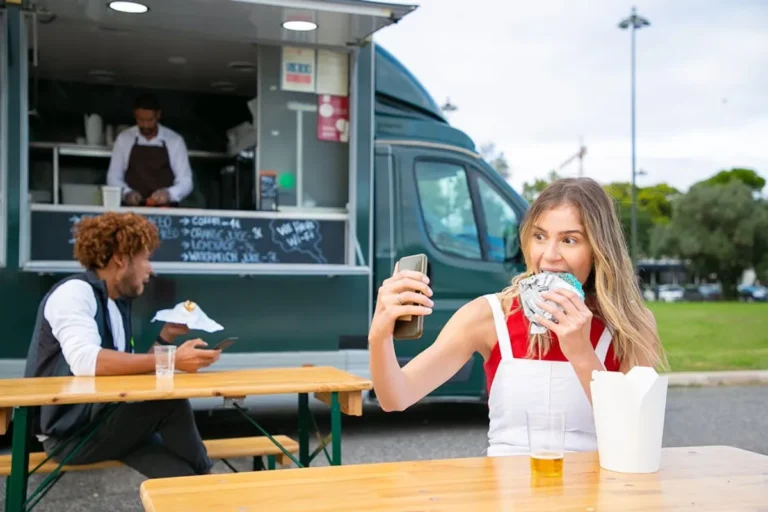
Late-night eateries and food markets cater to weekend travelers seeking culinary experiences that extend beyond traditional dinner hours, often blending dining with a social atmosphere. This category includes everything from upscale restaurants offering late-night menus to bustling street food markets and food truck parks. The appeal lies in satisfying post-drinking hunger, providing a casual social hub, or offering a unique gastronomic adventure. For many travelers, exploring local food culture is a key part of their trip, and late-night options extend this exploration.
Best For: Foodies, groups, travelers with varied dining schedules, and those seeking a more casual, culinary-focused late-night experience.
Pros:
- Broad appeal, as eating is a universal need and pleasure.
- Can attract a diverse clientele, including those not primarily interested in drinking.
- Lower entry barrier for vendors in food markets, fostering variety and local flavor.
- Offers a natural extension to other nightlife activities, capturing post-venue traffic.
Cons:
- Can have lower profit margins compared to pure drink establishments.
- Operational complexities related to food safety, waste management, and staffing for late hours.
- Success is highly dependent on food quality, variety, and speed of service.
- Requires significant foot traffic or proximity to other attractions to thrive.
Verdict: An essential complement to any vibrant nightlife scene, offering diverse culinary options that enhance the overall traveler experience and capture additional revenue from those seeking sustenance and social interaction after hours.
10. Sports Bars & Pubs
Sports bars and pubs offer a casual, community-focused nightlife experience centered around televised sporting events, casual dining, and a wide selection of beers and spirits. These venues are characterized by multiple screens, a lively atmosphere during games, and often pub-style food. Weekend travelers, particularly those following specific teams or looking for a relaxed social setting, are drawn to sports bars for their unpretentious vibe and the shared excitement of live sports. They serve as reliable hubs for socializing without the pressure of a dance club or the formality of a cocktail lounge.
Best For: Sports fans, groups seeking a casual social setting, budget-conscious travelers, and those looking for a relaxed atmosphere.
Pros:
- Consistent draw during major sporting events, ensuring peak revenue periods.
- Broad appeal to a wide demographic, from casual viewers to avid fans.
- Offers a relaxed, unpretentious atmosphere, attracting those avoiding more formal venues.
- Can leverage food and beverage sales effectively, especially during extended game times.
Cons:
- Requires significant investment in large screens, audio systems, and sports package subscriptions.
- Success is heavily dependent on the popularity of current sporting events.
- Can be perceived as noisy or overly casual by travelers seeking a different ambiance.
- High competition in many markets, requiring differentiation beyond just showing games.
Verdict: A reliable commercial option for attracting a specific segment of weekend travelers, providing a consistent social hub and strong revenue potential during sporting seasons, but demanding ongoing investment in technology and robust programming.
11. Cultural Night Events (Museums, Galleries after hours)
Cultural night events, such as museum late-nights, gallery openings, or special performances at historical sites, offer a refined and often educational alternative to traditional nightlife. These events typically feature extended hours for exhibitions, guided tours, lectures, and sometimes live music or themed cocktails. Weekend travelers seeking intellectual engagement, unique cultural immersion, or a quieter, more sophisticated evening are drawn to these offerings. They provide an opportunity to experience a destination's cultural institutions in a novel, often less crowded, setting.
Best For: Culture enthusiasts, couples, older demographics, and travelers seeking unique, educational, or art-focused evening activities.
Pros:
- Offers a distinct, high-value cultural experience that differentiates from typical nightlife.
- Can attract a demographic with higher disposable income and a willingness to pay for unique access.
- Generates revenue through ticket sales, special exhibitions, and often complementary food/beverage.
- Enhances a destination's reputation as a cultural hub.
Cons:
- Requires significant coordination with cultural institutions and event planning expertise.
- Attendance can be sporadic, dependent on the popularity of specific exhibitions or themes.
- Operational challenges related to staffing, security, and preservation of artifacts during late hours.
- May not appeal to travelers seeking high-energy or purely social experiences.
Verdict: A commercially valuable niche for destinations aiming to broaden their nightlife appeal beyond bars and clubs, attracting a discerning segment of weekend travelers seeking enriching and unique cultural engagements.
12. Karaoke Bars & Dive Bars
Karaoke bars and dive bars represent the unpretentious, often raw, side of nightlife, appealing to weekend travelers seeking authentic local experiences, casual fun, and a sense of community without pretense. Karaoke bars focus on participatory entertainment, allowing patrons to sing along or perform. Dive bars, characterized by their no-frills decor, affordable drinks, and laid-back atmosphere, often serve as local institutions. Both offer a departure from curated, upscale venues, providing a space for spontaneous fun and genuine interaction, particularly appealing to those looking to shed inhibitions or simply blend in with locals.
Best For: Groups seeking interactive entertainment, budget-conscious travelers, those looking for an authentic local vibe, and individuals prioritizing fun over formality.
Pros:
- Lower operational overhead compared to high-end venues, allowing for competitive pricing.
- Fosters a strong sense of camaraderie and participation, leading to memorable experiences.
- Attracts a loyal local following, providing a consistent base clientele.
- Offers a distinct, often quirky, atmosphere that can be a draw for adventurous travelers.
Cons:
- Can be perceived as less sophisticated or less clean by some travelers.
- Success in karaoke bars is highly dependent on the energy and willingness of patrons to participate.
- Dive bars may struggle to differentiate themselves in crowded markets without a unique hook.
- Profit margins on drinks can be lower due to competitive pricing.
Verdict: A commercially viable option for operators targeting a fun-loving, unpretentious segment of weekend travelers, offering high engagement and authentic local flavor at a relatively lower operational cost, but requiring careful management of atmosphere and pricing.
Optimizing Nightlife Offerings for Weekend Travelers
To effectively capture the weekend traveler market, operators must move beyond simply existing and actively optimize their offerings. This involves strategic marketing that highlights unique selling propositions for each nightlife category. Utilize digital channels, including social media and localized SEO, to showcase the specific experience each venue provides. Partnerships with local hotels, tour operators, and other attractions can create curated packages that seamlessly integrate nightlife into a broader weekend itinerary. Focus on clear communication regarding operating hours, special events, and booking procedures, as weekend travelers often plan their limited time meticulously. Gathering feedback through online reviews and direct engagement helps refine offerings and address specific traveler needs, ensuring sustained commercial success and positive visitor experiences.
Frequently Asked Questions about Weekend Nightlife
What defines a "weekend traveler" in the context of nightlife?
A weekend traveler typically visits a destination for a short duration, usually 2-3 nights, with a strong emphasis on maximizing leisure and entertainment experiences. Their nightlife choices are often driven by a desire for unique, memorable, or high-energy activities that contrast with their weekday routines.
How do nightlife preferences differ between local residents and weekend travelers?
Weekend travelers often prioritize novelty, iconic experiences, and venues that offer a concentrated "destination" feel. Locals may seek out more regular, community-focused spots, value familiarity, and are less driven by the need for an "event" every time they go out. Travelers are also more likely to spend more for a premium or unique experience.
What role does social media play in a weekend traveler's nightlife decisions?
Social media is critical. Weekend travelers frequently use platforms like Instagram, TikTok, and Facebook to discover visually appealing venues, check out ambiance, and see what events are happening. Shareable moments and "Instagrammable" aesthetics often influence their choices, as they seek experiences to document and share.
Are reservations necessary for weekend nightlife for travelers?
For popular venues, especially sophisticated cocktail lounges, high-energy clubs with bottle service, or comedy clubs, reservations are often highly recommended or even required. This ensures entry and avoids disappointment, which is crucial for travelers with limited time. For more casual options like dive bars or sports pubs, reservations are less common but checking wait times can be useful.
How important is location for nightlife appealing to weekend travelers?
Location is paramount. Proximity to hotels, public transportation, or other key attractions significantly enhances a venue's appeal to weekend travelers. Ease of access, especially late at night, and perceived safety in the surrounding area are major decision factors.