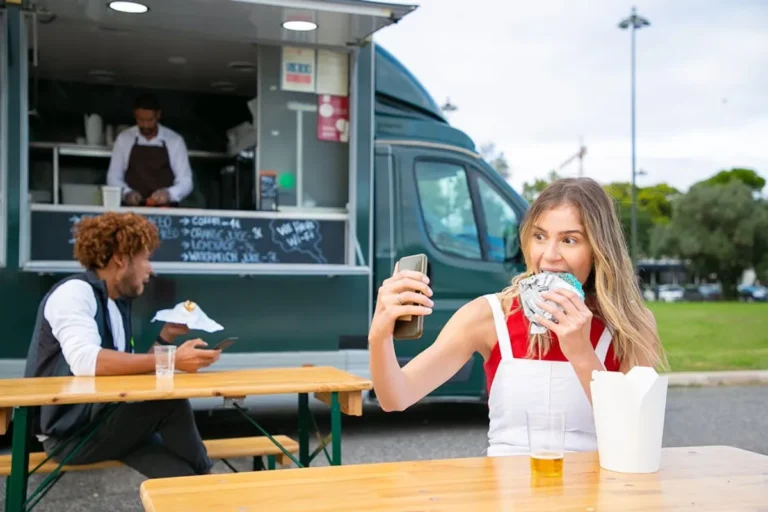
For food lovers, the pursuit of culinary experiences doesn't always necessitate significant financial outlay. Strategic engagement with free food-related activities offers rich opportunities for market insight, content inspiration, and community building. This guide outlines accessible, no-cost avenues that provide tangible value beyond simple enjoyment, allowing professionals to understand consumer preferences, identify emerging trends, and cultivate authentic connections within the food ecosystem. These activities are not merely leisure pursuits; they are practical, low-barrier entry points for firsthand market research, skill development, and the generation of unique, audience-engaging content.
The commercial utility of these free experiences lies in their ability to offer unfiltered access to culinary trends, ingredient innovations, and consumer behavior. For content creators, they provide endless material for articles, videos, and social media posts. For marketers, they offer direct observation of target audience preferences and local market dynamics. For site owners and agencies, they represent opportunities to identify niche topics, build community relationships, and gather authentic data points that inform broader content and SEO strategies. The key is to approach these activities with an analytical mindset, recognizing the underlying value beyond the immediate sensory experience.
What to Look For in Free Food Experiences
When seeking out free food-related activities, prioritize those that offer clear opportunities for observation, learning, and connection. Not all free events yield the same commercial or strategic value. Focus on activities that provide:
- Direct Market Observation: Opportunities to see what consumers are buying, eating, discussing, or showing interest in. This includes observing product displays, ingredient choices, and popular food items.
- Networking Potential: Environments where you can engage with local producers, chefs, food entrepreneurs, or other passionate food enthusiasts. These interactions can lead to collaborations, content ideas, or deeper market understanding.
- Content Generation Material: Activities rich in visual appeal, unique stories, or novel perspectives that can be translated into compelling articles, social media posts, videos, or podcasts. Look for authenticity and novelty.
- Skill Development & Trend Identification: Experiences that teach new culinary techniques, introduce unfamiliar ingredients, or highlight nascent food movements. This could be anything from understanding fermentation processes to identifying sustainable sourcing practices.
- Community Engagement: Events that foster a sense of local culinary community, allowing you to gauge local tastes, identify influential figures, and understand the cultural context of food in a specific area.
By applying these criteria, you can transform simple free activities into valuable strategic assets for your content, marketing, or business development efforts.
1. Farmers' Market Exploration
Farmers' markets serve as dynamic hubs for local food systems, offering a direct view into seasonal produce, artisanal goods, and producer-consumer interactions. While purchases are optional, the value lies in observing current agricultural trends, understanding local ingredient availability, and gauging consumer interest in specific products or preparation methods. It's a prime environment for organic market research, allowing for an unfiltered look at the intersection of supply and demand for fresh, local foods. The sensory experience—from vibrant displays to engaging conversations—provides a rich data set for analysis.
Best For: Content creators seeking seasonal recipe inspiration, food bloggers tracking local food movements, small business owners researching niche product viability, and marketing professionals analyzing consumer purchasing habits in a direct-to-consumer setting. It's also ideal for understanding regional food culture and producer stories.
Pros:
- Direct Market Insight: Immediate feedback on produce popularity, pricing sensitivity, and artisanal product demand. Observe which stalls draw crowds and what questions consumers ask.
- Networking Opportunities: Engage directly with farmers, bakers, and other food entrepreneurs, fostering potential collaborations, sourcing leads, or gathering unique interview content.
- Visual Content Goldmine: Abundant opportunities for high-quality photography and video capturing fresh ingredients, vibrant displays, and community atmosphere, ideal for social media or blog posts.
- Trend Spotting: Identify emerging produce varieties, sustainable practices, and local culinary preferences before they go mainstream, offering a competitive edge in content planning.
Cons:
- Time Investment: Requires dedicated time for observation and interaction to extract meaningful data; a quick pass-through yields limited insights.
- Geographic Limitation: Access is dependent on local market schedules and availability, which can vary by season and region.
- No Direct ROI: Requires proactive effort to translate observations into actionable insights or content; not an immediate revenue generator without subsequent action.
- Crowd Management: Popular markets can be busy, making detailed observation and unhindered photography challenging during peak hours.
Verdict: An indispensable, low-cost resource for understanding the foundational elements of local food culture and consumer preferences. Its value lies in the raw, unfiltered data it provides for market analysis and authentic content development, particularly for those focused on local or seasonal food narratives.
2. Community Garden Volunteering
Volunteering at a local community garden offers a hands-on, immersive experience into food cultivation, sustainability, and community building. Beyond the physical labor, it provides invaluable insights into the practicalities of growing food, understanding different plant varieties, and the challenges of local agriculture. It's an opportunity to connect with individuals passionate about food sovereignty and sustainable practices, offering a unique perspective on the journey from seed to table. The focus here is on learning the origins of food and the effort involved.
Best For: Content creators focusing on sustainable eating, urban farming, or farm-to-table narratives; individuals seeking to understand food systems from a practical standpoint; and marketers interested in community engagement and local food initiatives. It's also valuable for those looking to build local connections.
Pros:
- Deep Food System Understanding: Gain firsthand knowledge of plant cycles, organic gardening techniques, and the labor involved in food production, enriching content with practical authority.
- Networking with Experts: Connect with experienced gardeners, horticulturists, and community organizers who can provide insights into local ecology and food trends.
- Authentic Content Material: Offers compelling visual and narrative content around sustainability, community effort, and the beauty of homegrown food, appealing to conscious consumers.
- Skill Acquisition: Learn basic gardening skills that can inform content about home cooking, preserving, or even starting a small-scale food project.
Cons:
- Physical Demands: Involves physical labor, which may not appeal to all, and requires a commitment to regular attendance.
- Time Commitment: Meaningful engagement requires consistent effort over weeks or months, not just a one-off visit.
- Seasonal Limitations: Activities are often seasonal, limiting year-round engagement depending on climate.
- Indirect Commercial Benefit: The commercial utility is primarily through knowledge acquisition and networking, rather than direct market observation or immediate content generation.
Verdict: A highly valuable, albeit time-intensive, activity for those seeking a foundational understanding of food production and sustainability. It builds credibility for content creators and offers unique perspectives on the food journey, fostering deeper appreciation and knowledge.
3. Public Library Culinary Resources
Public libraries are often overlooked treasure troves of culinary knowledge, offering extensive collections of cookbooks, food history texts, culinary magazines, and even access to online cooking classes or food-related databases. These resources provide a cost-free way to explore diverse cuisines, historical cooking methods, and the cultural significance of food. It's an ideal environment for in-depth research, recipe development, and understanding the academic or historical context of culinary practices without any financial investment.
Best For: Food writers and researchers exploring niche culinary topics, content creators seeking historical context or diverse recipe inspiration, marketers analyzing food trends through published media, and anyone looking to deepen their theoretical knowledge of food and cooking. It's also excellent for budget-conscious recipe testing inspiration.
Pros:
- Vast Knowledge Base: Access to an immense collection of printed and digital culinary resources, from classic cookbooks to academic studies on food science and history.
- Cost-Effective Research: Conduct extensive research on specific ingredients, regional cuisines, or dietary trends without purchasing expensive books or subscriptions.
- Diverse Inspiration: Discover new recipes, cooking techniques, and cultural narratives that can inform unique content angles or product development ideas.
- Quiet Study Environment: Provides a focused setting for deep work, research, and content planning, free from digital distractions.
Cons:
- Static Information: Primarily offers historical or published information, which may not always reflect the very latest real-time food trends or market dynamics.
- Limited Practical Application: While rich in theory, it lacks the hands-on, experiential learning components of other activities.
- Time-Consuming: Sifting through extensive collections to find relevant information can be a time-intensive process.
- No Direct Interaction: Lacks opportunities for direct networking with food professionals or consumers, limiting real-time feedback.
Verdict: An indispensable resource for foundational culinary research and intellectual exploration. It provides the depth of knowledge necessary to create authoritative content and understand the broader context of food, complementing more experiential learning methods.
4. Ethnic Grocery Store Discovery
Exploring ethnic grocery stores provides a vibrant, sensory-rich journey into diverse culinary traditions. These stores are not just retail outlets; they are cultural touchstones, offering unique ingredients, prepared foods, and a window into the dietary habits of specific communities. Walking the aisles, observing product labels, and noting popular items offers unparalleled insight into global food trends, ingredient sourcing, and the flavor profiles that resonate with various cultural groups. It's an excellent way to spot emerging ingredients before they hit mainstream markets.
Best For: Content creators focused on international cuisine, food trend analysts, recipe developers seeking novel ingredients, and marketers looking to understand niche consumer segments. It's particularly useful for those aiming to diversify their culinary knowledge and content offerings.
Pros:
- Ingredient Discovery: Uncover a vast array of unique spices, produce, condiments, and specialty items not found in conventional supermarkets, sparking new recipe ideas.
- Cultural Immersion: Gain insight into the culinary practices and preferences of specific ethnic groups, enriching content with authentic cultural context.
- Trend Spotting: Identify ingredients or product categories gaining popularity within specific communities, often preceding their broader market adoption.
- Affordable Market Research: Observe pricing, packaging, and merchandising strategies for niche products without any cost.
Cons:
- Language Barriers: Product labels or staff communication might present language challenges, requiring extra effort for understanding.
- Overwhelm Factor: The sheer volume of unfamiliar products can be overwhelming, making focused observation difficult without prior research.
- Limited Direct Engagement: While observation is rich, opportunities for direct, in-depth conversations with store owners or customers may be limited.
- Specific Geographic Access: Availability of diverse ethnic markets depends heavily on the demographic makeup of a particular region.
Verdict: A highly effective, no-cost method for expanding culinary horizons, discovering unique ingredients, and conducting informal market research on global food trends. Its value lies in providing a tangible, real-world connection to diverse food cultures.
5. Food Festival Attendance (Free Entry)
Many food festivals offer free general admission, providing an excellent opportunity to immerse oneself in a vibrant culinary atmosphere without upfront cost. While food and drink purchases are optional, the value lies in observing vendor presentations, identifying popular food trucks or local restaurants, and gauging overall attendee interest in specific food types or themes. These festivals are microcosms of local food culture, showcasing current culinary trends, artisanal producers, and consumer preferences in a high-energy environment. It's a prime location for visual content and trend observation.
Best For: Content creators seeking dynamic visual material and event coverage, marketers analyzing local food scene popularity, small businesses researching competitor offerings, and anyone looking to identify popular food concepts or culinary innovations in real-time. It's also good for networking with local food entrepreneurs.
Pros:
- Trend Identification: Observe which cuisines, ingredients, or food concepts are drawing the most attention and long lines, indicating current consumer preferences.
- Networking Potential: Opportunity to interact with local chefs, food truck owners, and artisanal producers, fostering potential collaborations or content interviews.
- Rich Visual Content: Festivals are inherently photogenic, offering abundant material for social media, blog posts, and video content showcasing vibrant food and community.
- Competitive Analysis: Gain insight into how various food businesses present their offerings, engage customers, and differentiate themselves in a competitive setting.
Cons:
- Crowd Management: Popular festivals can be extremely crowded, making detailed observation or clear photography challenging.
- Limited Free Samples: While entry is free, most food items require purchase, limiting direct taste testing without spending money.
- Time Commitment: Requires dedicating a significant portion of a day to fully absorb the atmosphere and gather meaningful insights.
- Logistical Challenges: Parking, transportation, and navigating large crowds can add unforeseen difficulties.
Verdict: A high-impact, free activity for real-time trend spotting and visual content creation. Its utility is in providing a snapshot of the current local food landscape and opportunities for direct engagement with the culinary community, provided one navigates the crowds effectively.
6. Self-Guided Food Neighborhood Walks
Embarking on a self-guided walk through a food-centric neighborhood allows for an intimate exploration of local culinary identity. This involves observing restaurant menus, specialty store displays, local cafes, and even street food vendors. The goal is to identify patterns in cuisine types, pricing strategies, branding, and target demographics. It's a low-cost, flexible method for understanding the pulse of a specific food district, uncovering hidden gems, and noting the architectural or cultural influences that shape its gastronomic offerings. This activity emphasizes observation and pattern recognition.
Best For: Local SEO specialists analyzing competitor landscapes, travel bloggers scouting unique culinary destinations, content creators seeking inspiration for neighborhood guides, and urban planners interested in the role of food businesses in community development. It's ideal for understanding the "vibe" of a food scene.
Pros:
- Hyper-Local Market Insight: Gain detailed understanding of a specific neighborhood's culinary offerings, including popular cuisines, price points, and target clientele.
- Trend Spotting: Identify emerging restaurant concepts, popular dishes, and unique food retail trends within a defined geographic area.
- Flexible & Accessible: Can be done at any time, at one's own pace, and requires no special equipment beyond comfortable walking shoes.
- Visual & Narrative Content: Provides excellent opportunities for photography of storefronts, menus, and street scenes, generating material for local guides or social media.
Cons:
- Requires Discipline: Without a structured approach, it can devolve into aimless wandering; effective analysis requires focused observation.
- Limited Interaction: Primarily observational; opportunities for direct engagement with business owners or customers are not guaranteed.
- No Direct Sampling: Without purchasing, insights are limited to visual and descriptive information, lacking taste experience.
- Weather Dependent: Outdoor activity can be impacted by adverse weather conditions, limiting its appeal.
Verdict: An invaluable, highly flexible tool for granular market research and content inspiration within specific geographic areas. Its strength lies in providing a boots-on-the-ground perspective of local culinary dynamics, informing local SEO and content strategies.
7. Online Culinary Documentaries & Podcasts
The digital landscape offers a wealth of free culinary documentaries and podcasts that delve into food history, cultural significance, production processes, and the lives of chefs and food producers. Platforms like YouTube, free podcast apps, and public broadcasting archives provide access to expert insights and compelling narratives. These resources allow for deep dives into specific culinary niches, global food systems, and emerging food science, all from the convenience of one's home. It's a passive yet highly informative way to expand culinary knowledge and identify content themes.
Best For: Content strategists seeking broad thematic inspiration, food historians and researchers, marketers tracking global food trends, and anyone looking to understand the cultural or scientific underpinnings of food. It's excellent for background research and identifying influential voices in the food world.
Pros:
- Vast Knowledge & Perspective: Access to expert opinions, historical context, and diverse cultural perspectives on food from around the globe.
- Flexible Learning: Consume content at your own pace, on demand, fitting into various schedules and learning styles.
- Trend Identification: Identify macro-level food trends, ethical considerations, and scientific advancements discussed by industry leaders.
- Content Inspiration: Provides countless ideas for articles, blog posts, and social media discussions, drawing from well-researched narratives.
Cons:
- Passive Engagement: Lacks the direct, hands-on, or interactive elements of real-world experiences, limiting immediate application.
- Information Overload: The sheer volume of available content can be overwhelming, requiring careful curation to find relevant material.
- Potential for Outdated Information: While many documentaries are timeless, some information, especially regarding trends or scientific findings, can become dated.
- No Direct Networking: Does not offer opportunities for direct interaction with the subjects or creators of the content, limiting relationship building.
Verdict: An essential, accessible resource for intellectual enrichment and thematic content inspiration. It provides a broad, high-level understanding of the food world, serving as a strong foundation for more specific, actionable research and content development.
8. Recipe Swapping & Potluck Groups
Participating in local recipe swapping groups or community potlucks offers a unique, interactive way to experience diverse home cooking and gather direct feedback on culinary creations. While contributions are typically expected, the exchange of ideas and the tasting of various dishes are free. These events provide a platform for understanding home cooking trends, ingredient preferences among local residents, and the social dynamics surrounding food. It’s a low-pressure environment for informal market research on what people genuinely enjoy making and eating in their daily lives.
Best For: Home cooking content creators seeking new recipe ideas and community feedback, food bloggers looking for authentic user-generated content stories, and marketers interested in grassroots food trends and community preferences. It's ideal for understanding the practicalities and appeal of home-cooked meals.
Pros:
- Direct Recipe Inspiration: Discover new dishes, cooking techniques, and ingredient combinations directly from home cooks, often with personal stories attached.
- Immediate Feedback: Gain real-time, honest opinions on various dishes and ingredients from a diverse group of tasters.
- Community Building: Foster connections with local food enthusiasts, potentially leading to collaborations, interviews, or a loyal audience base.
- Understanding Home Trends: Identify popular comfort foods, dietary adaptations, and ingredient preferences prevalent in local households, informing content on everyday cooking.
Cons:
- Obligation to Contribute: While the tasting is free, there's usually an expectation to bring a dish, incurring a small ingredient cost.
- Variable Quality: The quality and variety of dishes can be inconsistent, depending on the participants.
- Time Commitment: Requires time for preparation of a dish and attendance at the event.
- Limited Commercial Scope: Primarily focused on home cooking; less relevant for high-level industry trend analysis or professional culinary insights.
Verdict: A highly engaging and authentic way to tap into grassroots culinary trends and community preferences. Its value lies in providing direct, informal feedback and fostering genuine connections, making it excellent for content focused on home cooking and community food culture.
9. Window Shopping at Specialty Food Stores
Window shopping at high-end or niche specialty food stores provides a glimpse into premium food trends, innovative product packaging, and gourmet ingredient sourcing. While purchases are not required, careful observation of product displays, ingredient labels, and store layouts can reveal insights into luxury food markets, dietary niches (e.g., artisanal, organic, vegan), and effective merchandising strategies. It's a form of visual market research that highlights aspirational food consumption and the evolving landscape of gourmet offerings, often showcasing products that eventually trickle down to mainstream markets.
Best For: Food trend forecasters, content creators focusing on gourmet or niche diets, marketers analyzing premium branding and packaging, and retailers researching innovative product offerings. It's particularly useful for understanding the aesthetics and positioning of high-value food items.