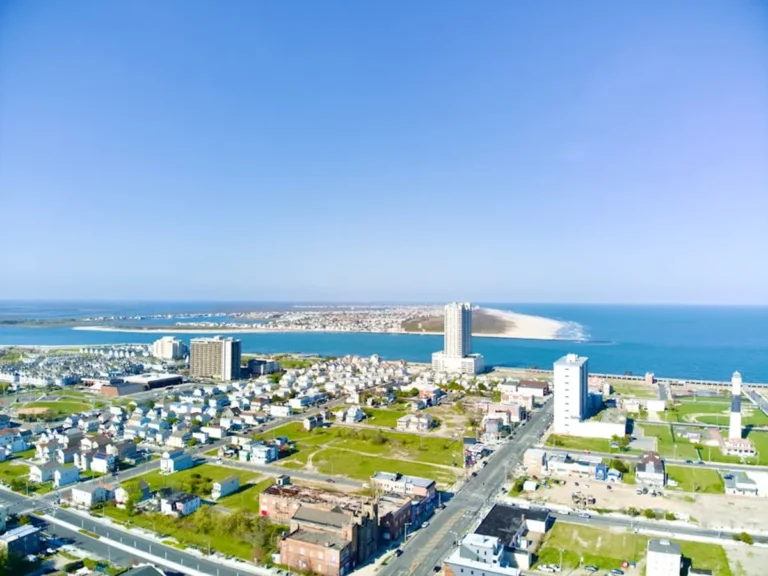
Budget travel hinges on strategic allocation of funds, often meaning significant savings on daily expenses like activities and entertainment. Identifying truly valuable free experiences is not merely about cost avoidance; it's about enriching a trip without financial outlay, extending travel durations, and deepening engagement with a destination. This approach allows travelers to redirect budget towards essential costs like accommodation or transportation, or to simply travel longer and more frequently. The core principle is to seek out opportunities that offer genuine cultural, historical, or recreational value, rather than merely occupying time.
What to Look For in Free Activities
When seeking free activities, prioritize those offering authentic local immersion or unique access that paid alternatives might not provide. Evaluate activities based on their inherent value: does it offer historical insight, natural beauty, cultural understanding, or a distinct local flavor? Look for activities that are easily accessible via public transport or walking, minimizing incidental costs. Consider the time commitment versus the experience gained; a free walking tour offering deep historical context often outweighs a generic, time-consuming stroll. Resources like official city tourism sites, local event calendars, and community forums are invaluable for uncovering these opportunities. Focus on activities that align with your travel interests, ensuring the "free" aspect enhances, rather than compromises, your overall experience.
1. Free Walking Tours
Free walking tours operate on a tip-based model, allowing travelers to experience a city's history, architecture, and local anecdotes guided by knowledgeable residents. These tours often cover central districts, historical landmarks, and provide an immediate orientation to a new place. Guides typically offer insights into local culture, recommend eateries, and point out other free attractions. The "free" aspect means participants determine the value of the tour post-experience, fostering a direct relationship between guide performance and compensation.
Best for: First-time visitors seeking an immediate, contextual introduction to a city's core attractions and local perspectives. Ideal for solo travelers or small groups wanting social interaction and insider tips.
Pros: Offers deep local insights and historical context without upfront cost. Excellent for orientation and discovering hidden gems. Often flexible with no booking required, or easy online registration.
Cons: Quality can vary significantly between guides and operators. Expectation of tipping, which can feel like an obligation rather than an option. Can be crowded during peak seasons, reducing individual interaction.
Verdict: A highly effective method for initial city exploration and cultural immersion, provided travelers are prepared to tip fairly for a valuable experience. Research tour operators and guide reviews beforehand for optimal results.
2. Public Parks and Botanical Gardens
Major cities worldwide maintain expansive public parks and botanical gardens, offering accessible green spaces for relaxation, recreation, and appreciation of nature. These areas often feature diverse plant collections, walking trails, public art installations, and sometimes free cultural events. They serve as urban lungs, providing a respite from city noise and concrete, and a venue for picnics, leisurely strolls, or simply observing local life. Entry is typically free, making them a cornerstone of budget-friendly exploration.
Best for: Travelers seeking tranquility, natural beauty, or active recreation within an urban environment. Suitable for families, couples, and solo visitors looking for unhurried exploration.
Pros: Provides significant restorative value and opportunities for physical activity. Often features unique horticultural collections or historical landscapes. Excellent for photography and people-watching.
Cons: Can become crowded during weekends or holidays. Facilities like cafes or specialized exhibits within parks may incur costs. Weather-dependent for optimal enjoyment.
Verdict: Essential for balancing urban exploration with natural respite. These spaces offer substantial value in terms of relaxation, aesthetic pleasure, and often cultural programming, all at no direct cost.
3. Free Admission Museums and Galleries
Many world-class museums and art galleries offer permanent collections with free admission, or designated free entry days/hours. These institutions provide unparalleled access to art, history, science, and culture without financial barrier. They range from national museums with vast collections to smaller, specialized galleries focusing on local history or contemporary art. Checking institutional websites for specific free entry policies is crucial, as some require advance booking even for free slots.
Best for: Culture enthusiasts, history buffs, and art lovers. Ideal for rainy days or when seeking intellectual stimulation and a deeper understanding of a destination's heritage.
Pros: Access to significant cultural and historical artifacts. Provides shelter and a structured activity, often with free educational resources. Offers a quiet, reflective environment.
Cons: Special exhibitions often incur a fee. Can be overwhelming due to size and scope, requiring selective focus. Popular free days can lead to long queues and crowded galleries.
Verdict: An indispensable resource for enriching travel experiences on a budget. Strategic planning around free entry days or focusing on institutions with permanent free collections maximizes cultural engagement without expenditure.
4. Local Festivals and Community Events
Throughout the year, cities and towns host numerous festivals, parades, markets, and community events that are free to attend. These events offer a vibrant snapshot of local culture, traditions, music, and cuisine. From seasonal celebrations and street performances to farmers' markets and public concerts, they provide an authentic glimpse into the community's spirit. Information is typically available on local tourism websites, community calendars, or social media groups.
Best for: Travelers seeking authentic local immersion, cultural entertainment, and a lively atmosphere. Excellent for experiencing a destination's unique character and traditions.
Pros: Provides direct engagement with local culture and people. Offers unique photo opportunities and memorable experiences. Often features free live entertainment and performances.
Cons: Can be very crowded, making navigation difficult. While entry is free, food, drinks, and craft vendors will charge. Events are seasonal and require advance planning to coincide with travel dates.
Verdict: A dynamic way to experience a destination's living culture. Attending local events provides rich, often spontaneous, cultural experiences that are hard to replicate through paid attractions.
5. Hiking and Nature Trails
Accessing natural landscapes through hiking trails, scenic walks, and nature preserves is often free and widely available. Many regions boast extensive networks of trails, ranging from easy strolls to challenging treks, leading to viewpoints, waterfalls, or unique ecological sites. These activities connect travelers with the natural environment, offering physical exercise, fresh air, and often stunning vistas. Information on trailheads and difficulty levels is typically found through national park services or local tourism boards.
Best for: Outdoors enthusiasts, active travelers, and those seeking natural beauty and physical activity. Ideal for escaping urban environments and connecting with local flora and fauna.
Pros: Promotes physical health and mental well-being. Offers unparalleled access to natural wonders and scenic views. Can be done independently and at one's own pace.
Cons: Requires appropriate gear (footwear, water, sun protection). Accessibility to trailheads might require transportation costs. Weather conditions can impact safety and enjoyment.
Verdict: An excellent free option for active travelers, providing significant recreational and aesthetic value. Proper preparation ensures a safe and rewarding experience in nature.
6. Public Beaches and Waterfronts
Many coastal cities and lakeside towns offer public beaches and waterfronts with free access for relaxation, swimming, or simply enjoying the scenery. These areas provide opportunities for sunbathing, picnicking, casual walks, and watching maritime activity. Some waterfronts feature promenades, piers, or boardwalks that are free to explore, offering entertainment through street performers or unique local vendors. The value lies in their accessibility and the inherent pleasure of being by the water.
Best for: Relaxation, family outings, and casual recreation. Suitable for travelers looking to unwind, enjoy scenic views, or engage in simple, no-cost activities.
Pros: Provides a natural setting for relaxation and leisure. Offers opportunities for swimming, sunbathing, or walking. Often features vibrant atmospheres with local activity.
Cons: Can be very crowded during peak season. Parking or public transport to reach beaches might incur costs. Amenities like chair rentals or concessions are additional expenses.
Verdict: A universally appealing free activity that offers significant relaxation and recreational value. Essential for warm-weather destinations or for those who appreciate coastal environments.
7. Grand Public Libraries
Many cities are home to architecturally significant public libraries that welcome visitors to explore their grand halls, reading rooms, and often historical exhibits. Beyond their primary function, these libraries frequently serve as cultural centers, offering free Wi-Fi, quiet spaces for rest or work, and sometimes host free lectures, art displays, or film screenings. Their historical significance and often stunning interiors make them destinations in themselves, providing a unique cultural experience.
Best for: Book lovers, architecture enthusiasts, and travelers seeking a quiet, reflective space. Ideal for remote workers needing free internet access or a temporary respite from walking.
Pros: Offers a quiet, comfortable environment. Provides free Wi-Fi and access to public restrooms. Often features impressive architecture and historical collections.
Cons: Not every city has a grand, visitor-friendly library. Some areas might be restricted to members or researchers. Requires respectful, quiet conduct.
Verdict: A surprisingly rewarding free activity, offering both practical amenities and a glimpse into a city's intellectual and architectural heritage. Excellent for a moment of calm and cultural appreciation.
8. Window Shopping and People-Watching Districts
Exploring vibrant commercial districts, local markets, and pedestrian zones offers a rich sensory experience without the obligation to spend. These areas are excellent for people-watching, observing local fashion, street life, and the general rhythm of a city. Many feature unique architecture, public art, and lively atmospheres. While the primary activity is observation, it provides a deep dive into urban culture and local commerce, fostering a sense of connection with the destination.
Best for: Travelers interested in urban culture, local fashion, and observing daily life. Ideal for those who enjoy strolling and soaking in the atmosphere of a city.
Pros: Provides insight into local commerce and social dynamics. Offers a dynamic, ever-changing visual experience. Can be done at any pace, with no specific time commitment.
Cons: The temptation to spend money can be high. Can be crowded and noisy, depending on the district and time. Offers less structured cultural or historical information.
Verdict: A simple yet effective way to immerse oneself in the contemporary pulse of a city. It requires no cost and provides genuine entertainment through observation and atmospheric engagement.
9. Street Art and Mural Exploration
Many cities have thriving street art scenes, transforming public spaces into open-air galleries. Exploring neighborhoods known for their murals, graffiti, and public art installations offers a free, dynamic, and often politically charged cultural experience. These artworks frequently reflect local narratives, social commentary, or artistic innovation. Self-guided tours can be created using online maps or local art blogs, leading travelers through vibrant districts and showcasing urban creativity.
Best for: Art enthusiasts, photographers, and travelers interested in contemporary urban culture and social expression. Ideal for exploring less-traveled neighborhoods.
Pros: Offers a unique, constantly evolving artistic experience. Provides insight into local culture and social issues. Excellent for photography and discovering unique urban landscapes.
Cons: Some areas might be less tourist-friendly or require caution. Quality and upkeep of art can vary. Requires a degree of navigation and research to find key pieces.
Verdict: A compelling free activity that provides a raw, authentic glimpse into a city's creative pulse. It encourages exploration beyond typical tourist routes and offers significant visual and cultural rewards.
10. Historic Religious Sites
Visiting historic cathedrals, temples, mosques, and other religious sites often provides free access to magnificent architecture, intricate artwork, and centuries of history. Many of these structures are iconic landmarks, offering a profound sense of place and spiritual heritage. While donations are often encouraged, entry to observe the main sanctuary or general grounds is typically free. Visitors should be mindful of dress codes and respectful behavior, especially during services.
Best for: History buffs, architecture admirers, and those seeking quiet reflection or spiritual connection. Ideal for understanding a destination's historical and cultural foundations.
Pros: Access to stunning architecture and historical artifacts. Offers a quiet, reflective atmosphere. Provides insight into religious and cultural traditions.
Cons: Restricted access during services or special events. Requires adherence to dress codes and respectful conduct. Some areas or specific exhibits may charge an entry fee.
Verdict: An enriching free activity that connects travelers with a destination's deep historical and cultural roots. It offers both aesthetic pleasure and a sense of solemn grandeur.
11. Picnicking in Scenic Spots
Utilizing public parks, waterfronts, or scenic viewpoints for a self-prepared picnic is a highly effective way to save on meal costs while enjoying a beautiful setting. This activity transforms a basic necessity into a pleasant, leisurely experience. Purchasing groceries from local markets or supermarkets is significantly cheaper than restaurant dining and allows for customization of meals to dietary preferences. It also encourages extended enjoyment of a chosen location.
Best for: Budget-conscious travelers, families, and those who prefer casual dining in natural or scenic environments. Ideal for maximizing enjoyment of public spaces.
Pros: Significantly reduces food expenses. Allows for flexible dining times and locations. Enhances enjoyment of parks, beaches, and scenic overlooks.
Cons: Requires preparation and carrying supplies. Weather-dependent for optimal enjoyment. Finding suitable public restrooms can sometimes be a challenge.
Verdict: A practical and enjoyable free activity that directly impacts a travel budget. It turns a necessary expense into a memorable, location-specific experience.
12. Urban Viewpoints and Scenic Overlooks
Many cities offer elevated public spaces, hills, or specific vantage points that provide panoramic views of the urban landscape, coastline, or surrounding natural features. These overlooks are typically free to access and offer spectacular opportunities for photography, especially during sunrise or sunset. Identifying these spots often requires local knowledge or consulting maps for high-elevation parks or public terraces. They provide a grand perspective of a destination without the cost of observation decks or cable cars.
Best for: Photographers, sightseers, and travelers seeking a comprehensive perspective of a city or landscape. Ideal for capturing memorable images and appreciating urban planning.
Pros: Offers stunning panoramic views and photo opportunities. Provides a sense of scale and orientation to a destination. Free and accessible, often with benches for relaxation.
Cons: Accessibility might require a hike or public transport, incurring minor costs. Can be crowded during popular times. Weather conditions (fog, rain) can obscure views.
Verdict: An impactful free activity that provides a "big picture" view of a destination. It offers significant aesthetic value and a memorable way to appreciate a city's layout and natural surroundings.
Maximizing Your Free Travel Experience
To truly leverage free activities, integrate them strategically into your itinerary. Begin by researching a destination's official tourism website and local event calendars well in advance. Look for specific dates for free museum entry, local festivals, or public concerts. Utilize mapping applications to identify public parks, walking trails, and scenic viewpoints near your accommodation or planned routes. Pack essentials like a reusable water bottle, snacks, and appropriate footwear to avoid incidental purchases. Engage with locals through free walking tours or community events; their insights often unlock further free opportunities. The goal is not just to save money, but to consciously choose activities that offer genuine enrichment and connection to the destination, ensuring that "free" translates to "valuable" rather than merely "cheap."
FAQ
Q: How can I find free events in a new city?
A: Start with the official city tourism website, which often has a comprehensive events calendar. Local community centers, public libraries, and university event listings are also excellent resources. Social media groups focused on local events or budget travel for the specific city can also provide up-to-date information.
Q: Are "free" walking tours truly free?
A: Free walking tours typically operate on a tip-based model. While there's no upfront cost, guides rely on tips for their income. It's customary and expected to tip what you feel the tour was worth, reflecting the quality of information and entertainment provided. Consider tipping an amount comparable to what you might pay for a budget paid tour, adjusted for your satisfaction.
Q: What should I bring when exploring free outdoor attractions?
A: Essential items include comfortable walking shoes, a reusable water bottle, sunscreen, a hat, and weather-appropriate clothing. For picnics, bring a small blanket and any necessary utensils. A portable power bank for your phone can be useful for navigation and photography throughout the day.
Q: Can I find free Wi-Fi in public spaces?
A: Many public libraries, parks, and even some city centers offer free public Wi-Fi. Cafes and fast-food chains often provide free Wi-Fi for customers, even if you only purchase a small item. Check for "Free Wi-Fi" signs or ask local businesses. However, always exercise caution when using public Wi-Fi networks for sensitive transactions.
Q: How can I ensure safety when exploring free attractions, especially in less-known areas?
A: Prioritize well-trafficked public areas, especially if traveling solo. Share your itinerary with someone and carry a fully charged phone. Research neighborhoods in advance, particularly for street art or hiking trails, to understand local conditions. Avoid exploring unfamiliar areas after dark. Trust your instincts; if a situation feels unsafe, leave.