Atlantic City’s identity extends far beyond its well-known casinos. For content creators, travel planners, or businesses aiming to connect with visitors, understanding the city’s rich history and vibrant culture provides a critical foundation. This guide outlines the key historical periods and cultural facets that define Atlantic City, offering concrete details to inform more nuanced narratives and engagement strategies. Recognizing these foundational elements allows for the development of content that resonates deeply, moving beyond surface-level attractions to capture the city’s complex and enduring appeal.
The Formative Years: From Health Resort to Gambling Mecca
Atlantic City began not as a gambling destination, but as a seaside health resort, meticulously planned for accessibility and leisure. Its initial development laid the groundwork for its future as a major tourist hub.
Early Development and the Boardwalk's Genesis
The city was incorporated in 1854, conceived by Dr. Jonathan Pitney and civil engineer Richard Osborne as a convenient retreat from Philadelphia. The first railroad line, the Camden and Atlantic Railroad, connected the city to Philadelphia, making it an accessible getaway. Early hotels like the Belloe House (1853) and the United States Hotel (1854) catered to a burgeoning upper-class clientele. The iconic Atlantic City Boardwalk, the world's first, debuted in 1870. Originally a temporary structure designed to keep sand out of hotel lobbies, its popularity led to its permanent expansion and role as a central promenade. By the late 19th century, the city had established itself as a premier East Coast resort, known for its fresh sea air, grand hotels, and family-friendly attractions.
Prohibition and the Roaring Twenties
The Prohibition era (1920-1933) paradoxically ushered in one of Atlantic City's most flamboyant and prosperous periods. Under the unofficial reign of political boss Enoch "Nucky" Johnson, the city became a haven for speakeasies, illegal alcohol, and high-stakes gambling, openly defying federal laws. This era cemented Atlantic City's reputation as a "free-wheeling" resort, attracting celebrities, politicians, and everyday revelers. The city hosted the annual Miss America Pageant from 1921, further boosting its profile. Architecturally, this period saw the construction of opulent hotels like the Ritz-Carlton (1921) and the Ambassador Hotel (1919), reflecting the city's booming economy and lavish lifestyle, even amidst national austerity.
The Casino Era: Resurgence and Transformation
After a mid-20th century decline, legalized gambling offered Atlantic City a path to economic revitalization, dramatically reshaping its landscape and identity.
Legalized Gambling and Initial Boom
In 1976, New Jersey voters approved a referendum to legalize casino gambling in Atlantic City, with the explicit goal of urban revitalization. Resorts International Hotel Casino opened in 1978, becoming the first legal casino outside of Nevada. This initiated a rapid construction boom, attracting massive investment and drawing millions of visitors. The initial focus was heavily on gaming, aiming to replicate the success of Las Vegas on the East Coast. This era saw the rise of major casino resorts, transforming the city's skyline and economy, and creating thousands of jobs. The promise was a renewed era of prosperity, though the social and economic impacts proved complex.
Evolving Landscape and Modern Challenges
The early 21st century brought new challenges, including increased competition from regional casinos and the 2008 financial crisis. This prompted Atlantic City to diversify its offerings beyond pure gambling. Modern efforts focus on establishing the city as a comprehensive entertainment destination, emphasizing:
- Dining: High-end restaurants, celebrity chef outposts, and diverse culinary experiences.
- Entertainment: Concert venues, comedy clubs, and theatrical performances.
- Retail: Upscale shopping districts and outlet malls.
- Conventions: Expansion of the Atlantic City Convention Center to attract large-scale events.
- Wellness: Spas, fitness centers, and resort amenities.
This strategic shift aims to broaden visitor appeal and create a more resilient tourism economy, moving towards a model that balances gaming with a wider array of leisure activities.
Cultural Tapestry: Beyond the Gaming Floors
Atlantic City's cultural identity is a blend of its historical legacy, unique architecture, and local traditions that persist alongside its modern attractions.
Architectural Heritage
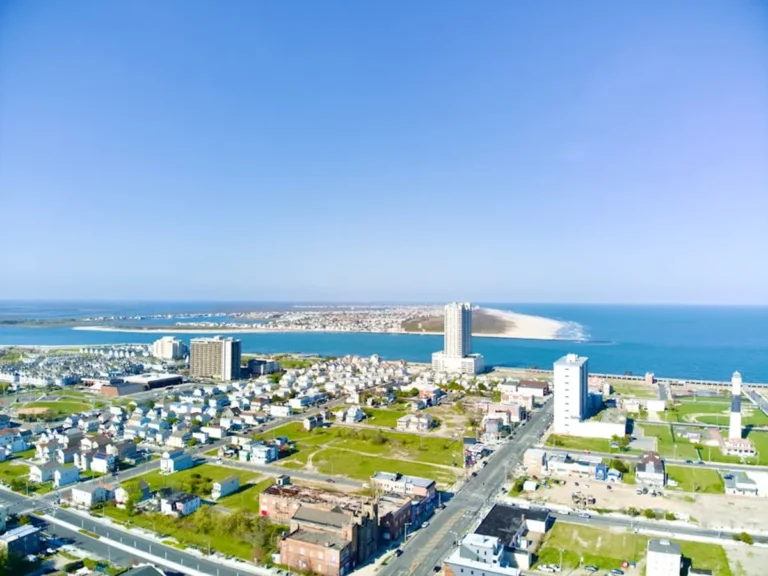
The city's architecture tells a story of its various booms and busts. Beyond the modern casino towers, remnants of its Gilded Age glory and Prohibition-era opulence remain. Examples include the Atlantic City Historical Museum, housed in the Kennedy Plaza, which chronicles the city's evolution. The Absecon Lighthouse, New Jersey's tallest, offers panoramic views and a glimpse into the city's maritime past. While many grand hotels have been demolished or renovated, their influence on the city's aesthetic is still visible in surviving structures and historical photographs. The city's residential neighborhoods also feature diverse architectural styles, reflecting different periods of growth.
Arts, Entertainment, and Local Flavor
Atlantic City fosters a local arts scene, with galleries and performance spaces often found outside the immediate casino zones. The city also hosts various festivals throughout the year, celebrating everything from jazz to seafood. Culinary contributions like salt water taffy, invented in Atlantic City in the late 19th century, and the Atlantic City sub (or hoagie), reflect its unique local flavor. The city's musical heritage is also notable, having been a significant stop on the Chitlin' Circuit during the mid-20th century, hosting legendary African American performers.
Pro Tip: When developing content about Atlantic City, integrate historical anecdotes and cultural touchstones beyond the common casino narrative. Referencing the city's origins as a health resort, its Prohibition-era notoriety, or local culinary inventions can provide a richer, more authentic context that differentiates your material and appeals to a broader audience seeking depth beyond typical tourist fare.
Leveraging Atlantic City's Narrative for Content and Engagement
Understanding Atlantic City's layered history and diverse culture provides a powerful framework for creating compelling content. For travel blogs, this means crafting itineraries that blend casino experiences with historical walking tours, lighthouse visits, or local food explorations. For businesses, it informs marketing campaigns that position the city not just as a gaming hub, but as a destination with a unique story, appealing to niche interests like history buffs, foodies, or architecture enthusiasts. Highlighting these less-explored facets can attract new demographics and deepen engagement with existing audiences.
Practical Insights for Engagement
To effectively engage an audience interested in Atlantic City, move beyond generic descriptions. Focus on specific historical events, prominent figures like Nucky Johnson, or unique cultural contributions such as the Miss America Pageant's origins. Use these details to create narrative arcs for articles, social media campaigns, or video content. For example, a piece on "Atlantic City's Roaring Twenties" could explore Prohibition-era speakeasies, while another on "Beyond the Boardwalk" might highlight local arts and culinary gems. This approach provides valuable context and positions your content as authoritative and insightful, catering to a more discerning audience.
Frequently Asked Questions About Atlantic City's Heritage
What was Atlantic City's original purpose?
Atlantic City was originally conceived and developed in the mid-19th century as a health resort, offering fresh sea air and a convenient escape from urban centers like Philadelphia.
How did Prohibition impact Atlantic City?
During Prohibition (1920-1933), Atlantic City openly defied federal laws under political boss Enoch "Nucky" Johnson, becoming a notorious hub for illegal alcohol, speakeasies, and gambling, which paradoxically boosted its economy and reputation as a lively resort.
When did casinos first open in Atlantic City?
Legalized casino gambling began in Atlantic City in 1978, with the opening of Resorts International Hotel Casino, following a 1976 New Jersey referendum aimed at urban revitalization.
What are some unique cultural contributions from Atlantic City?
Atlantic City is known for inventing salt water taffy, hosting the first Miss America Pageant, and its distinctive "Atlantic City sub" sandwich. It also has a rich history in music and architectural styles.