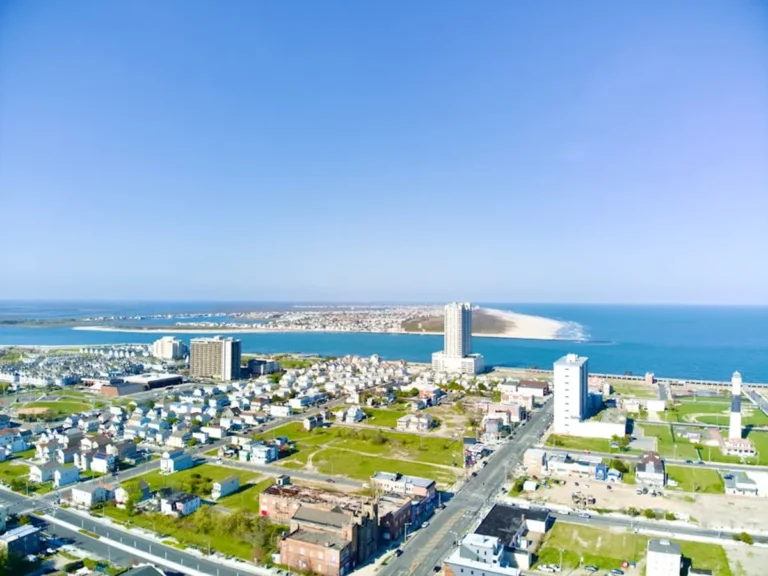
Visiting the Atlantic City Boardwalk for the first time presents a unique blend of historical charm and modern entertainment, but navigating its expanse and diverse offerings requires some initial understanding. This iconic wooden pathway, stretching four miles along the Atlantic Ocean, is more than just a walkway; it's a destination in itself, packed with casinos, shops, restaurants, and entertainment venues. For first-time visitors, the sheer volume of options can be overwhelming, making a strategic approach essential for a rewarding experience. This guide provides practical tips to help you orient yourself, plan effectively, and maximize your time on this historic promenade, ensuring you experience the best of what Atlantic City has to offer without unnecessary complications.
Navigating the Boardwalk: Getting Your Bearings
Understanding the Layout and Access Points
The Atlantic City Boardwalk spans approximately four miles from north to south, connecting various districts and attractions. Its northern end is near the Absecon Lighthouse, while the southern end reaches the Ventnor City border. Key access points are typically found at the end of major cross streets and directly from many of the large casino resorts. Familiarize yourself with the general north-south orientation to gauge distances between points of interest. For instance, the Steel Pier is located on the northern side, while the Tropicana is further south, requiring a significant walk or alternative transport if you plan to move between them.
Transportation Options on the Boards
While walking is the most common way to experience the Boardwalk, its length means alternative transportation is often necessary for covering significant distances efficiently or for those with mobility considerations.
- Walking: Offers the most flexibility for stopping at shops and attractions. Ensure you wear comfortable footwear, as the wooden planks can be unforgiving over long periods.
- Rolling Chairs: These iconic, manually pushed chairs offer a classic, leisurely way to sightsee. Operators are typically available at various points along the Boardwalk. Negotiate the fare before beginning your journey, as prices can vary based on distance and demand.
- Tram Cars: Motorized tram cars run regularly along the Boardwalk, providing a quicker, more affordable option for covering longer distances. They operate on a fixed route with designated stops, making them practical for moving between major casino resorts or piers. Fares are typically per ride, and exact change or small bills are often required.
Consider your itinerary and energy levels when choosing your mode of transport. A combination of walking for short stretches and using trams or rolling chairs for longer hauls often proves most effective.
Essential Planning for Your Visit
Best Times to Visit for Specific Experiences
The Boardwalk’s atmosphere shifts considerably with the seasons and days of the week.
- Summer (June-August): Offers the most vibrant atmosphere with all attractions fully operational, frequent events, and beach access. Expect larger crowds, higher accommodation prices, and potential for hot, humid weather. Ideal for those seeking a lively, traditional beach resort experience.
- Fall (September-October): Often provides pleasant weather, fewer crowds than summer, and still many open attractions. This period is suitable for those preferring a more relaxed pace while still enjoying outdoor activities.
- Spring (April-May): Similar to fall, with gradually warming temperatures and fewer crowds. Some seasonal attractions may have limited hours or not yet be open.
- Winter (November-March): The quietest season, with many outdoor attractions closed and colder weather. Primarily caters to casino-goers and indoor entertainment.
Weekends and holidays consistently draw larger crowds regardless of the season. If your priority is a quieter experience with easier access to attractions, plan for a weekday visit during the shoulder seasons (spring or fall).
Budgeting for Boardwalk Activities
Costs on the Boardwalk can accumulate quickly. Establish a daily budget for food, entertainment, and souvenirs. While beach access is free, attractions like the Steel Pier rides, mini-golf, and arcade games carry individual fees. Dining options range from affordable pizza slices and hot dogs to upscale casino restaurants. Many shops offer a variety of merchandise, from inexpensive trinkets to higher-end fashion. Prioritizing a few key experiences and allocating funds accordingly will prevent overspending. Look for combo passes or special deals if you plan to visit multiple attractions.
Packing Smart: What to Bring
Your packing list should account for both the outdoor environment and potential indoor activities.
- Comfortable Walking Shoes: Non-negotiable for exploring the Boardwalk.
- Sun Protection: Sunscreen, sunglasses, and a wide-brimmed hat are crucial, even on cloudy days, due to sun reflection off the ocean and sand.
- Layers of Clothing: Ocean breezes can make evenings cool, even after warm days.
- Small Backpack or Crossbody Bag: For carrying essentials like water, snacks, and souvenirs while keeping your hands free and belongings secure.
- Refillable Water Bottle: Stay hydrated, especially during warmer months.
Consider leaving valuable items securely stored if you plan on extended beach time or engaging in activities where they could be lost or damaged.
Iconic Boardwalk Attractions and Activities
Must-See Piers and Amusements
The Boardwalk features several piers, each with distinct offerings. The Steel Pier is famous for its amusement park rides, including a large Ferris wheel offering panoramic ocean views. Central Pier typically features arcade games and go-karts. Checking the operating hours and specific attraction availability for each pier is advisable, particularly outside of peak summer months, as schedules can vary.
Dining and Snack Experiences
The Boardwalk is synonymous with specific culinary traditions. Sampling saltwater taffy and fudge from long-standing confectioneries like Fralinger's or James' is a classic experience. Quick-service options include pizza by the slice, hot dogs, and funnel cakes. For more substantial meals, numerous restaurants, from casual seafood shacks to formal dining establishments within the casinos, line the Boardwalk. Prioritize local specialties and fresh seafood when selecting dining spots.
Retail Therapy and Souvenirs
Beyond the standard souvenir shops, the Boardwalk offers a range of retail experiences. You'll find everything from beachwear and novelty items to more upscale boutiques within the casino complexes. For unique mementos, seek out shops offering locally crafted goods or specialized Atlantic City branded merchandise rather than generic tourist items. Comparison shopping can yield better value, especially for higher-priced items.
Practical Considerations for a Smooth Trip
Safety and Awareness
While the Boardwalk is generally safe, exercising basic situational awareness is always prudent. Keep an eye on your personal belongings, especially in crowded areas. Avoid walking alone in dimly lit or less populated sections late at night. Stick to well-trafficked areas and be mindful of your surroundings. If you encounter any issues, most casino properties have security personnel, and local police patrol the area.
Accessibility Notes
The wooden surface of the Boardwalk is generally flat, but some ramps leading to cross streets or specific attractions can be steep. Many casino entrances from the Boardwalk are accessible. The motorized tram cars are typically equipped to accommodate wheelchairs, but it's advisable to confirm specific accessibility features with operators or by checking their official information before relying on them for transport. Rolling chairs can also be an option for those with mobility challenges, offering a personalized mode of transport.
Pro Tip: Always carry a small amount of cash for Boardwalk vendors, especially for smaller purchases like snacks, drinks, or rolling chair fares. While many establishments accept cards, cash can expedite transactions and is sometimes preferred by smaller, independent vendors.
Maximizing Your Boardwalk Experience
To truly maximize your first visit, combine planned activities with spontaneous exploration. Don't feel pressured to see every single attraction; instead, focus on a few key experiences that align with your interests. Take time to simply sit on a bench, observe the ocean, and people-watch. Engage with the local atmosphere, whether through street performers, unique shops, or conversations with long-time Boardwalk vendors. Stepping off the main thoroughfare into the immediate vicinity of the casinos can also reveal additional dining and entertainment options that complement the outdoor experience. By blending structured plans with open-minded discovery, you’ll craft a memorable first impression of this iconic American destination.
Frequently Asked Questions
Is the Atlantic City Boardwalk free to access?
Yes, there is no charge to walk on the Atlantic City Boardwalk itself. However, individual attractions, rides, shops, and restaurants located on or adjacent to the Boardwalk will have their own costs.
What's the best way to get around the Boardwalk?
For short distances, walking is ideal. For longer stretches or a more relaxed pace, motorized tram cars offer efficient transport between major points, and rolling chairs provide a classic, leisurely sightseeing experience with a personal attendant.
Are there family-friendly activities on the Boardwalk?
Absolutely. The Steel Pier features amusement rides suitable for various ages, while arcades, mini-golf, and specialty shops offer entertainment for families. The beach, directly accessible from the Boardwalk, is also a major family attraction.
What food should I try on the Boardwalk?
First-time visitors should prioritize classic Boardwalk treats like saltwater taffy and fudge. Other popular options include pizza by the slice, hot dogs, funnel cakes, and fresh seafood from various casual and upscale restaurants.