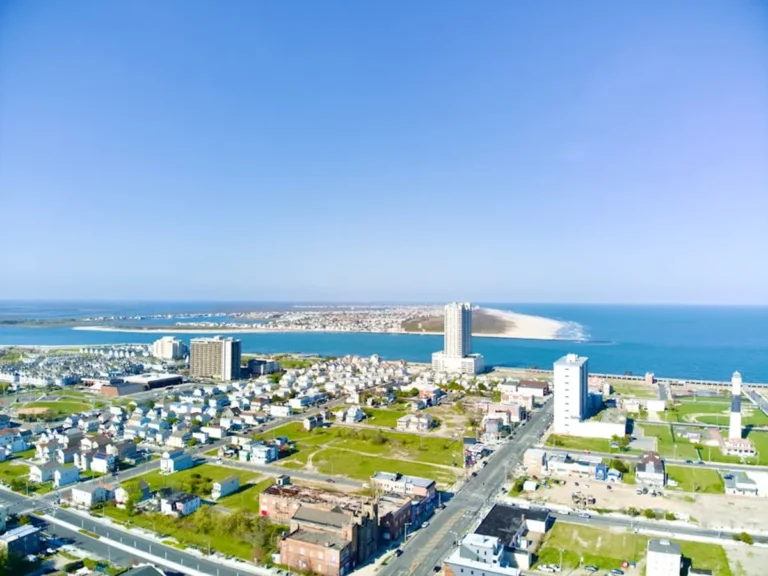
Navigating the Atlantic City Boardwalk: A Foundational Overview
The Atlantic City Boardwalk, a historic promenade stretching over four miles, serves as a central artery for the city's tourism and entertainment industries. Established in 1870, it was the world's first boardwalk, designed to prevent sand from entering hotels and trains. Today, it functions as a primary commercial corridor, connecting major casino resorts, entertainment venues, retail outlets, and direct beach access. Understanding its layout and key offerings is essential for any visitor planning to engage with Atlantic City's core attractions.
Historical Trajectory and Structural Elements
The Boardwalk's initial purpose was purely practical, but its evolution reflects Atlantic City's growth as a premier resort destination. Its current iteration is a robust wooden structure, regularly maintained and updated. The four-mile expanse is not monolithic; it features distinct zones and access points that cater to different visitor interests.
- Northern Section: Anchored by the more contemporary Ocean Casino Resort and Hard Rock Hotel & Casino, this area often presents a newer, more modern entertainment focus.
- Central Section: This segment is characterized by iconic landmarks such as the Steel Pier, Central Pier, and major casino properties like Resorts Casino Hotel, Bally's, and Caesars Atlantic City. It represents a dense concentration of traditional boardwalk amusements and integrated resort experiences.
- Southern Section: While less densely packed with major casino resorts, this end provides access to various local businesses, residential areas, and offers a quieter walking experience.
The Boardwalk's design facilitates pedestrian traffic, with specific ramps and access points leading to the adjacent beach, ensuring seamless transitions between the promenade and the shoreline activities.
Key Attractions and Engagement Points
The Boardwalk integrates a diverse range of attractions, catering to varied visitor preferences from thrill-seekers to those seeking relaxation or cultural engagement.
Piers and Amusement Zones
The piers extending from the Boardwalk into the Atlantic Ocean are central to its entertainment offering.
Steel Pier: A prominent landmark, the Steel Pier provides a traditional amusement park experience. It features a range of rides, including a Ferris wheel, roller coasters, and various family-friendly attractions. The pier also houses arcade games and food vendors.
Central Pier: This pier primarily focuses on arcade games, go-kart racing, and other interactive entertainment options. It targets a demographic seeking active, competitive leisure.
Garden Pier: In contrast to the amusement-focused piers, Garden Pier hosts the Atlantic City Historical Museum and the Atlantic City Art Center. This area offers cultural enrichment and a historical perspective on the city's development and artistic contributions.
Integrated Resort Experiences
Several major casino resorts have direct Boardwalk access, integrating their extensive offerings with the promenade's foot traffic. These properties typically include:
- Gaming Facilities: Extensive casino floors with slot machines, table games, and sportsbooks.
- Dining: A spectrum of options from casual eateries to high-end restaurants, often featuring celebrity chef concepts.
- Retail: Boutiques and brand-name stores, often concentrated in dedicated shopping districts within the resorts, such as The Playground at Caesars.
- Entertainment Venues: Theaters and concert halls hosting national acts, comedy shows, and resident performers.
- Accommodation: Thousands of hotel rooms, ranging from standard to luxury suites.
The proximity and direct access points allow visitors to transition seamlessly between the open-air Boardwalk environment and the climate-controlled interior of these large-scale entertainment complexes.
Dining and Retail Diversity
Beyond the integrated resorts, the Boardwalk itself offers a distinct array of dining and retail experiences.
Boardwalk Fare: This includes classic options like pizza, subs, hot dogs, funnel cake, ice cream, and saltwater taffy. These establishments often operate with a focus on quick service and casual consumption.
Specialty Shops: Numerous independent vendors sell souvenirs, beachwear, novelty items, and artisan crafts. These shops cater to impulse purchases and mementos of a visit.
Pro Tip: When planning your Boardwalk visit, prioritize understanding the geographical clustering of attractions. Grouping activities by section (e.g., northern casinos, central piers) can significantly optimize travel time and enhance the overall experience, especially during peak seasons when foot traffic is heaviest.
Practical Considerations for Visitors
Effective planning enhances the Boardwalk experience, especially concerning logistics and timing.
Transportation and Accessibility
Walking: The primary mode of transport. The Boardwalk is flat, making it accessible for most pedestrians.
Rolling Chairs: Iconic to Atlantic City, these manually pushed chairs offer a relaxed way to traverse longer distances. They are available for hire at various points along the Boardwalk.
Jitneys: While not directly on the Boardwalk, Atlantic City's jitney service provides cost-effective transport to and from Boardwalk access points, connecting to various city locations.
Accessibility: The Boardwalk features numerous ramps connecting to street level and the beach. Many establishments along the Boardwalk are compliant with accessibility standards, though it's advisable to verify specific venue accommodations in advance.
Optimal Visiting Times
Seasonal Variation: Summer months (June-August) represent peak season, characterized by warmer weather, extended operating hours for attractions, and higher visitor volumes. Spring and Fall offer milder temperatures and fewer crowds, potentially enhancing the walking experience. Winter can be quiet, with some outdoor attractions operating on reduced schedules or closing.
Weekday vs. Weekend: Weekdays typically see lower foot traffic compared to weekends and holidays, particularly during the summer. Visiting mid-week can provide a more relaxed experience with shorter queues for attractions and dining.
Maximizing Your Boardwalk Journey
A successful visit to the Atlantic City Boardwalk involves balancing planned activities with spontaneous exploration. Leverage the distinct character of each section—from the high-energy amusement piers to the cultural respite of Garden Pier and the integrated amenities of the casino resorts. Consider combining beach time with Boardwalk activities, as direct access is a key advantage. Prioritize hydration, especially during warmer months, and wear comfortable footwear suitable for extensive walking. By understanding the historical context, current offerings, and practical logistics, visitors can curate an experience that aligns with their specific interests and time constraints.
Frequently Asked Questions
How long is the Atlantic City Boardwalk?
The Atlantic City Boardwalk spans approximately 4.2 miles (6.8 kilometers) along the coastline.
What are the main attractions on the Boardwalk?
Key attractions include the Steel Pier and Central Pier amusement zones, the Atlantic City Historical Museum and Art Center on Garden Pier, and direct access to major casino resorts like Hard Rock, Ocean, Caesars, Bally's, and Resorts.
Is the Atlantic City Boardwalk safe to visit at night?
Like any major tourist destination, the Boardwalk is generally well-lit and monitored, especially in high-traffic areas near casinos and popular attractions. Exercising standard caution, such as staying in well-populated areas and being aware of your surroundings, is always advisable.
Can you walk the entire length of the Boardwalk?
Yes, the entire 4.2-mile length of the Boardwalk is accessible for walking. Many visitors choose to walk portions or the full length, utilizing rolling chairs or jitneys for longer distances or return trips.